
-
Vietnam tours
VietNam Tour Packages
- South East Asia Tours
- Cruises
- Request a quote
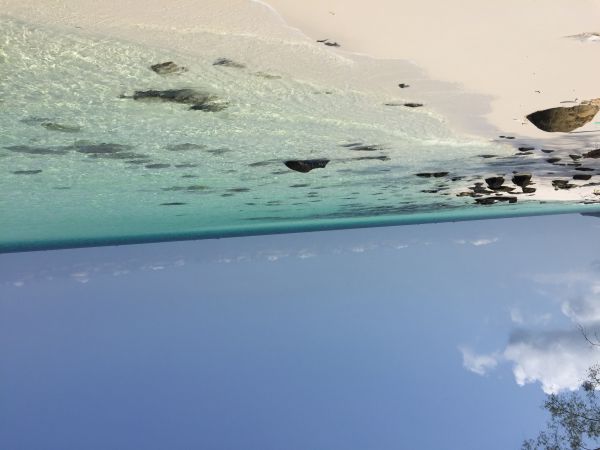

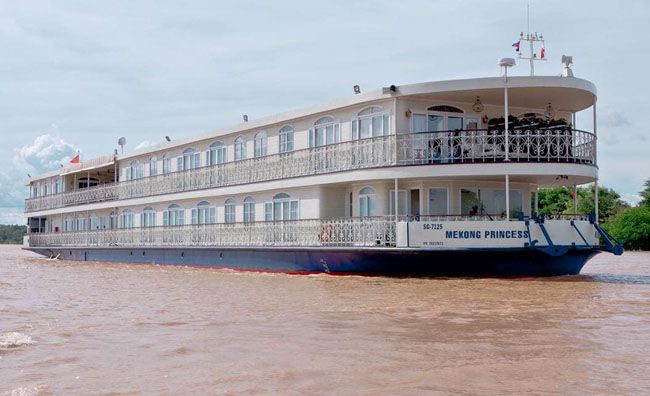
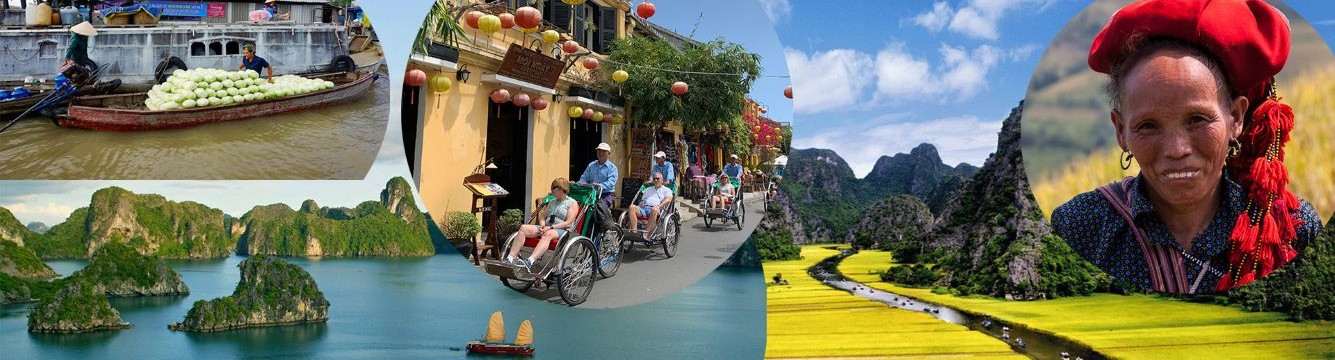
Useful information for planning your holiday in Cambodia
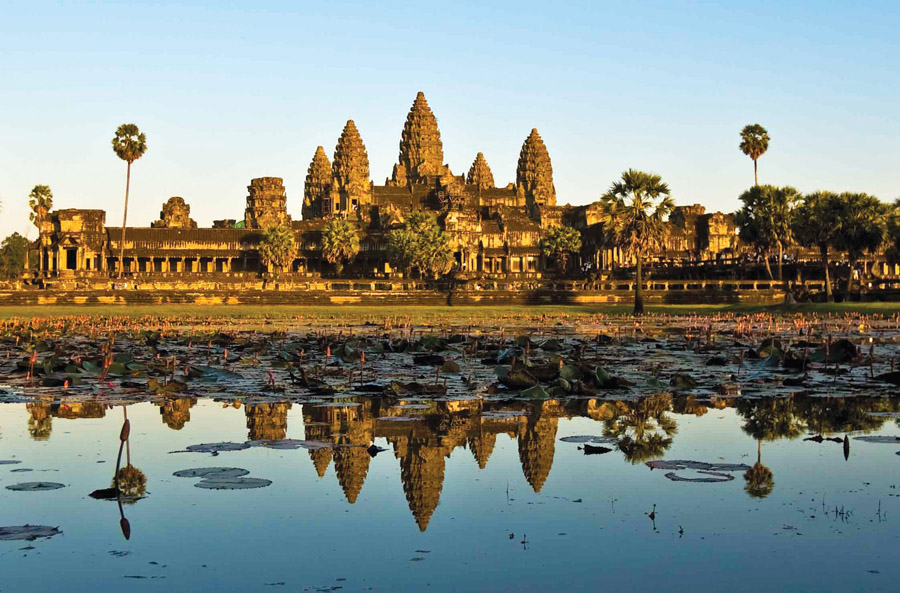
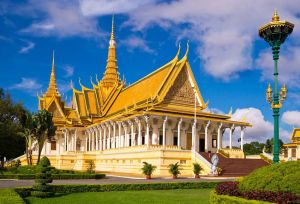
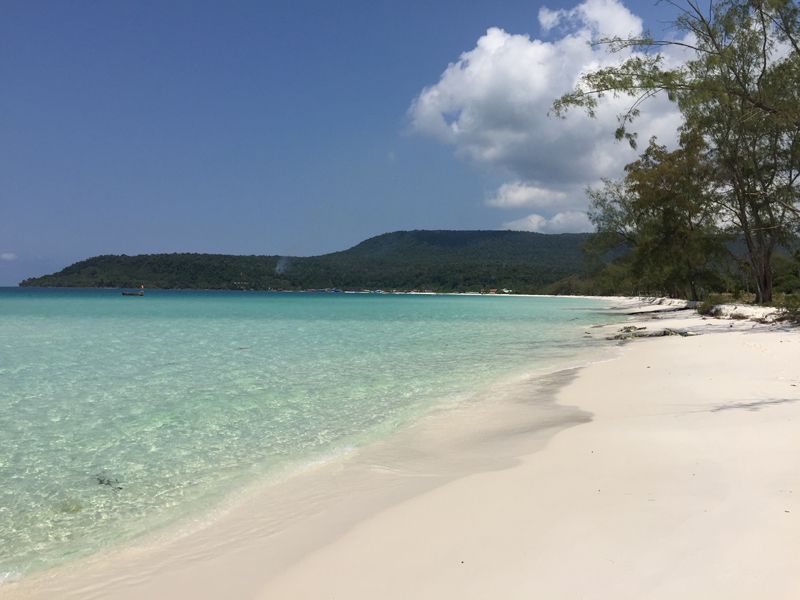
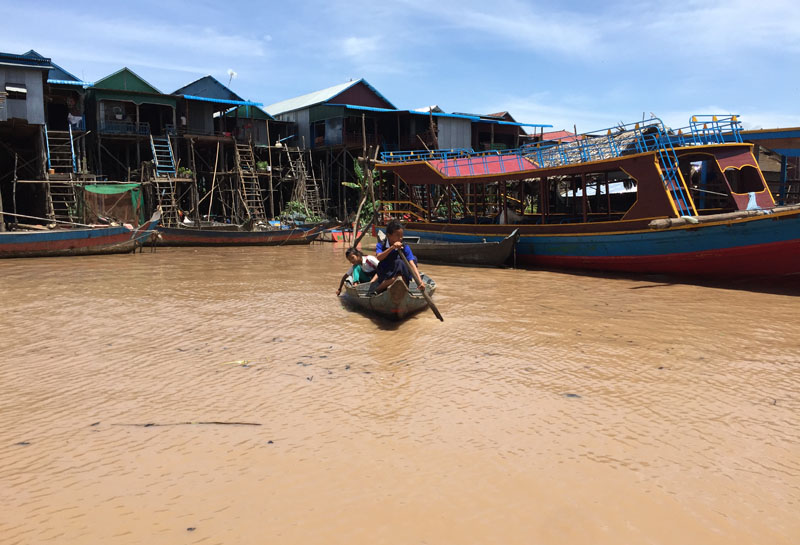
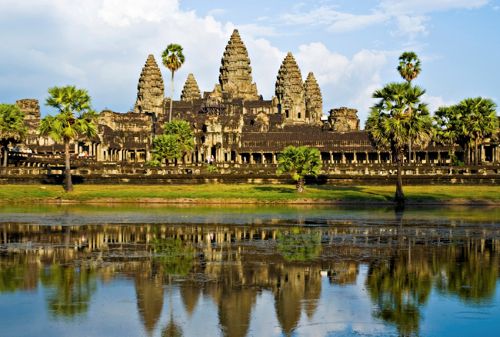
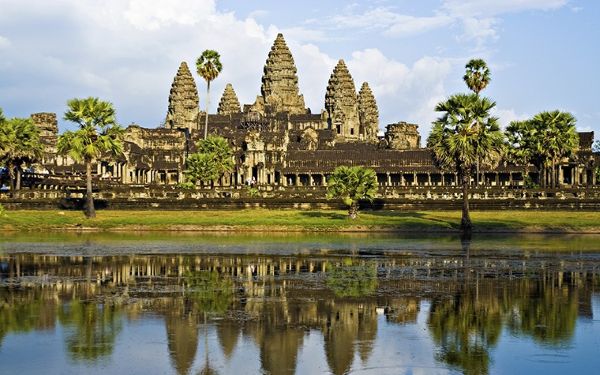
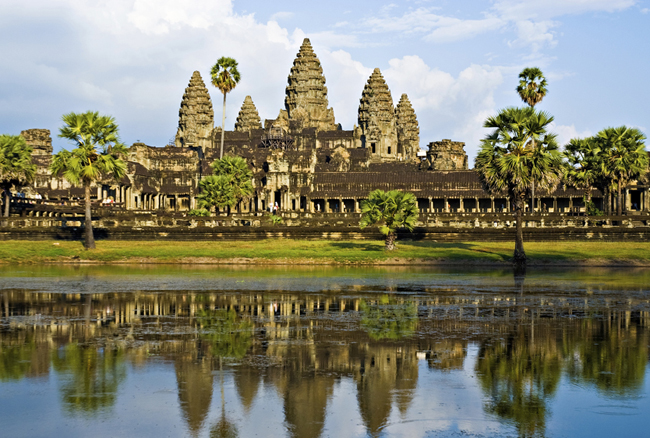
Since the gunfire ceased in the Kingdom of Cambodia, the country lures tourists all around the world with interesting destinations which are listed as World Herritage sites such as the Angkokr Watt, Angkor Thom, the largest freshwater lake in South East Asia - Tonle Sap ... With the strong impression of a friendly country with priceless historic relics spectacular natural landscapes and reasonable travel budget, Cambodia is becoming a more and more attractive international destination.
CLIMATE
Any time of the year is a good time to travel in Cambodia, with each season having its advantages. The climate in Cambodia is generally hot and humid throughout the year. Temperatures stay in the 30s most of the year, dropping back to the 20s at night. There are officially two seasons in Cambodia – wet and dry.
During November to May you can expect dry conditions, while June to October will have wetter weather.
GENERAL INFORMATION
Passport and visa
A passport with at least six months validity from the date of entry into Cambodia is required. We recommend you make a photocopy of your passport and keep it somewhere separate, or scan your passport and keep the scan in an accessible email account.
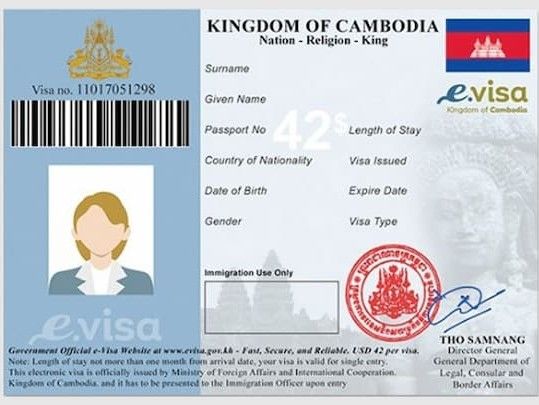
A visa is required for most nationalities and is available upon arrival at both Phnom Penh and Siem Reap international airports, and at the border crossing from Chau Doc to Phnom Penh. A tourist visa costs US$20 and is valid for 30 days. One passport-sized photograph is also required.
Money
The official currency is Riel. However, US dollars are also widely accepted and sometimes preferred. Riel is used for items where the price is less than US$1 and can be used in conjunction with USD. ATMs are widely available in Phnom Penh, Siem Reap, Battambang and Sihanoukville; they distribute US dollars. There are not many ATMs outside these areas. It is recommended that you always carry cash in small notes with you. These notes should be clean, and free from rips and tears where possible.
Please note while there are many gem shops in Cambodia, we advise against any purchase as the majority of gems are fake. Our guides are not permitted to take our guests to these shops and any purchase is at your own risk.
Post and telecommunications
Post in Cambodia is routed by air through Bangkok, making the service much more reliable than in the past.
Telephone connections to the rest of the world are widely available but can be expensive.
Internet access is available in most major tourist places such as hotels and restaurants.
SAFETY TRAVEL
Cambodia is a safe and friendly country, with the usual exception for large cities late at night, particularly Phnom Penh, and unobserved luggage or wallets.
Bag snatching, even from those on bicycles and motorcycles, is a problem in Phnom Penh.
Be discreet with your possessions, especially cash and cameras, and as always, take extra care in all poorly lit or more remote areas.
If you are renting a motorcycle it has been advised to purchase and use your own lock for securing it as some of the less scrupulous staff at rental companies have been known to use their copy of the key to steal bikes and leave the traveler paying the exceptionally high value estimation.
Police assistance in many cases requires some "facilitation" money in a sort of bidding war between the victim and the criminal with "connections" complicating things further making recovery of the motorcycle difficult.
CULTURE AND CUSTOMS
Etiquette and cultural differences
People in Cambodia are well-known for their hospitality and warmth. Out of respect, visitors to the Kingdom should take care to observe local customs and practices. You may find it useful to familiarize yourself with the following common dos and don'ts before embarking on your trip to Cambodia.
DOs in Cambodia
Ask for permission before taking photographs of any Cambodian people or monks.
It is customary to remove your shoes when entering a place of worship such as a pagoda or temple. Additionally, visitors should dress appropriately when inside a religious site (upper arms and legs should be covered, hats removed).
It is respectful to remove your shoes when entering someone’s home.
Though not always expected, a respectful way of greeting another individual is to bow the head slightly with hands pressed together at the chest (known as “Sampeah”).
If invited to dine in a Cambodian family’s home, it is polite to bring a small gift for the host such as fruit, dessert, or flowers.
If invited to attend a Cambodian wedding, it is customary to bring cash as a wedding gift.
When using a toothpick at the table, use one hand to cover your mouth.
Keep business cards ready, and present them with both hands. Accept business cards with both hands.
DON'Ts in Cambodia
• Don't use your feet to point at someone.
• Don't touch a Cambodian person on the head.
• Don't begin eating if you are a guest at a dinner and the host has yet to take a bite.
• Women should never touch male monks or hand something directly to them.
• Keep public displays of affection to a respectful minimum.
Commonsense Practices
• Do not litter; keep our community clean and safe
• Plastic bags can be hazardous; dispose them properly
Food and drink
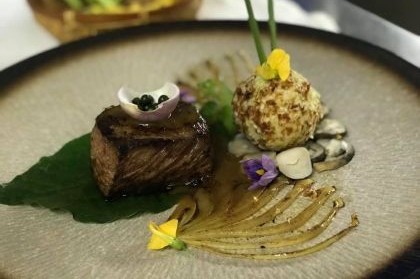
Khmer food is one of the major national identities that reflect the ways of life, thought, and mind of the Cambodian people which are hidden in the taste of consumption of meat dishes and sweet food. Here are some of the well-known Cambodian traditional foods and drinks that you should not miss when visiting the country:
- Samlor Kako: is one of Cambodian national dishes. It uses an incredible range of ingredients to achieve its complex range of flavors, including the famous prahok or fermented fish cheese, which is unique to Khmer cuisine.
- Khmer Sour Soup: A bowl of fresh Khmer sour soup helps the body feel refreshed and clean, leaving just enough room for dessert. Sour soup is among the most popular Khmer foods.
Other common dishes include khao poun (rice noodles in a coconut-based sauce), Amok (fish with coconut milk steamed in a banana leaf), sach mon chha khnhei (stir-fried chicken with ginger), somlar machou sachko (sour beef stew) and choeeng chomni chrouc chean (fried pork spareribs).
- Tea is one of the most refreshing drinks in the tropics as is fresh lemon/lime juice mixed with water. Tea and coffee are found everywhere and sugar-cane juice or coconut water are popular street-side drinks.
It is not advisable to drink tap water in Cambodia. Bottled water is cheap and widely available.
Public holidays
There are many religious public holidays in Cambodia. The main one is the Khmer New Year with one week celebration which takes place from 14 to 16 April every year. The second biggest is Pchum Ben. This national holiday was established for Buddhists to pay their respects to deceased relatives. It is also known as Ancestor's Day, and usually celebrated in September or October.
Pre-departure checklist
Travel insurance
Passport with at least six months validity from date of entry
Photocopy of passport
Visa or a passport photo and US$20 for visa on arrival
Foreign currency (US$) and/or ATM card
All relevant tickets
Reconfirmed flights
Light weight clothing
Umbrella and rain coat
Appropriate shoes for trekking, cycling or walking
Insect repellent
Medication
First aid kit
Adaptor – 220V, 50Hz; 2 pin plugs
Small daypack (for day and overnight trips)
Water bottle and helmet (for cycling trips)
Suggested tours for Cambodia
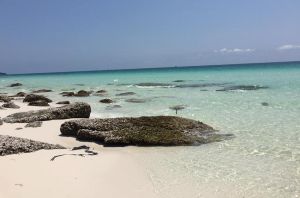
Siem Reap, Phnom Penh and Koh Rong Island Tour
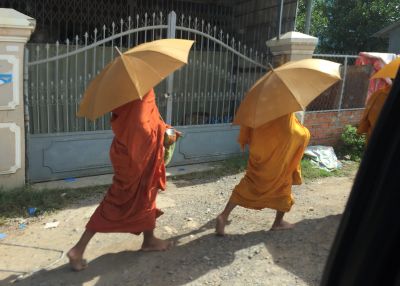
Cambodia Impression
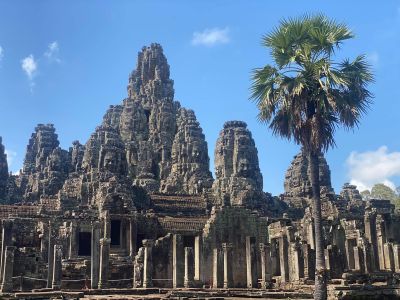
Inside Cambodia
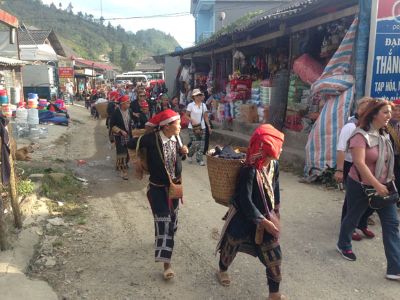
Best Tour of Northern Vietnam and Angkor Wat

Highlights of Vietnam - Cambodia tour
Choose your holiday style
Go wild, go slow, go smooth, go solo - an adventure is what you make of it.
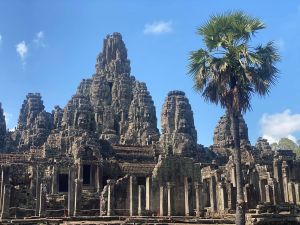
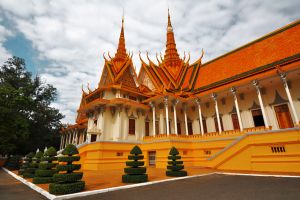
Most Popular Tour Destinations in Vietnam
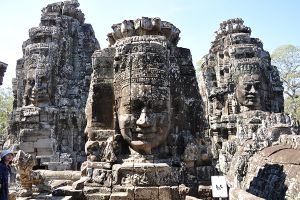
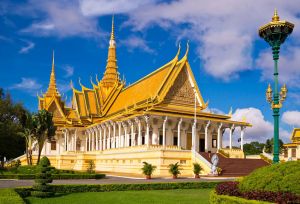
Cambodia Travel Guide
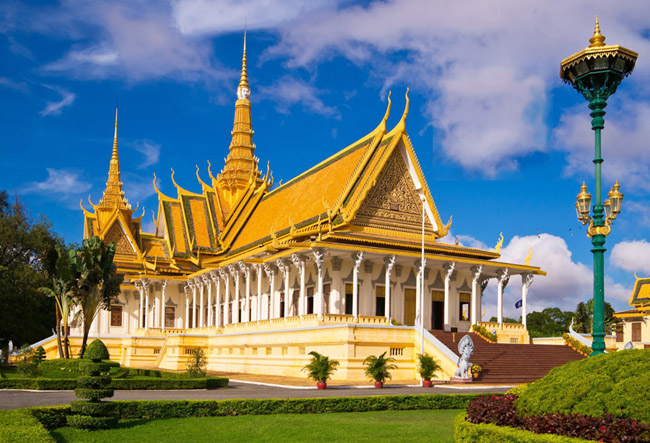
A Cambodia travel guide provides all information on tourist destinations, must-see attractions, weather, time to visit cultural considerations and other useful travel information. include the Angkor temple complex, Phnom Penh, Battambang, Koh Rong Island...
Frequently Asked Questions
Everything you need to know before your trip.
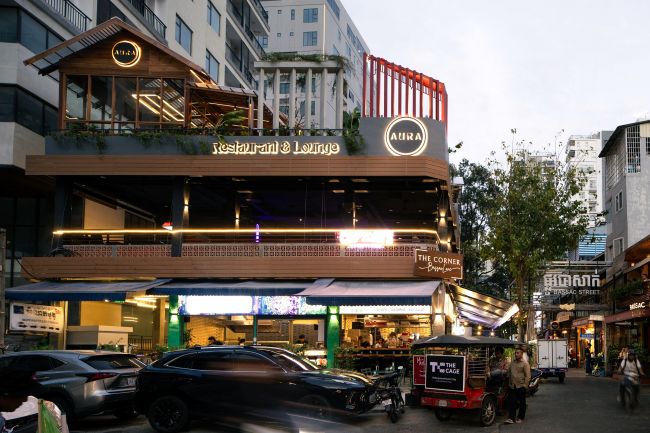
*Siem Reap: Enjoy the lively atmosphere around Pub Street, explore night markets, or relax at a rooftop bar after a day exploring the temples.
*Phnom Penh: Choose from riverside restaurants, cocktail bars, live music venues and evening dining with views of the city.
*Koh Rong and the southern coast: Expect a more laid-back atmosphere with beachfront bars, casual dining and relaxed evenings by the sea.
Whether you prefer a quiet dinner, a drink with a view or a livelier night out, Cambodia offers plenty of evening options without making nightlife the focus of your trip.