-
Vietnam tours
VietNam Tour Packages
- South East Asia Tours
- Cruises
- Request a quote

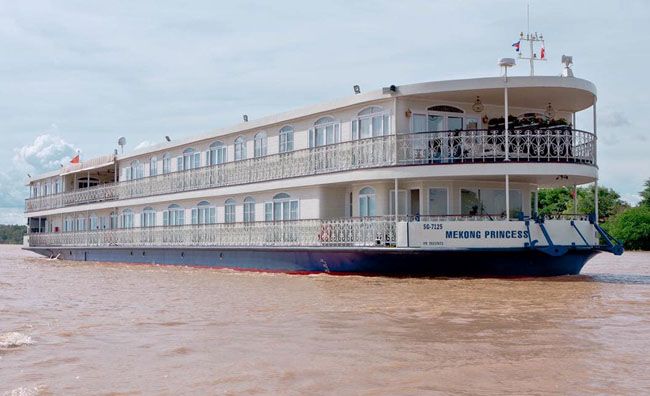
Vietnam War Veterans Tour: From Saigon to the DMZ
For many American veterans and their families, returning to Vietnam after decades away means seeing familiar places again and discovering how much has changed. Former battlefields are now part of towns, villages and countryside where daily life has taken a different course. The 12-Day Vietnam War Veterans Tour: From Saigon to the DMZ by WaytoVietnam Travel gives veterans the chance to revisit important wartime sites while getting to know Vietnam as it is today.
The tour travels from Ho Chi Minh City (Saigon) and the waterways of the Mekong Delta to Central Vietnam, with visits to My Lai, the former Demilitarized Zone (DMZ), Khe Sanh, Hue and Hamburger Hill. Along the way, discover the history of these places, meet local people and see the changes that have taken place over the years. For veterans who want to return to a particular base, battlefield or location connected to their service, we can also arrange a private visit based on their interests.
War Memory
Private Tours
- Explore Ho Chi Minh City (Saigon) and the Cu Chi Tunnels.
- Discover Mekong Delta life on a day trip.
- Revisit My Lai and Duc Pho, two significant areas linked to the Vietnam War.
- Explore Da Nang, My Khe Beach and the central coast.
- Revisit Hue and its historic landmarks.
- Visit the former DMZ, Quang Tri Citadel and Vinh Moc Tunnels.
- Explore Khe Sanh Combat Base, Ta Con Airfield and Lang Vei.
- Visit Hamburger Hill in A Shau Valley.
- Enjoy a dinner cruise along the Saigon River.
Price and booking
Prices are in USD per person, based on a private journey for the group size shown
| Tour & packages | 2-3 paxs | 4-6 paxs | Over 7 paxs | |
|---|---|---|---|---|
| Deluxe ( 4 star hotels) | 2-3 paxs$1,535 | 4-6 paxs$1,425 | Over 7 paxs$1,325 | Send inquiry |
| VIP ( 5 star hotels) | 2-3 paxs$2,115 | 4-6 paxs$1,928 | Over 7 paxs$1,642 | Send inquiry |
What’s Included & What’s Not Included
- Private transfers and transportation in air-conditioned vehicles
- Meals as mentioned in the itinerary (B: Breakfast, L: Lunch, D: Dinner)
- Accommodation in twin-sharing rooms
- English- or French-speaking tour guide
- Entrance fees and travel permits for the sights included in the itinerary
- Domestic flights: Ho Chi Minh City – Chu Lai and Hue – Hanoi, including airport taxes
- Boat trips in the Mekong Delta
- Meals not mentioned in the itinerary
- Tips and gratuities
- Beverages
- Single room supplement
- Personal expenses, including shopping and laundry
- Other services not specifically mentioned in the inclusions
Itinerary
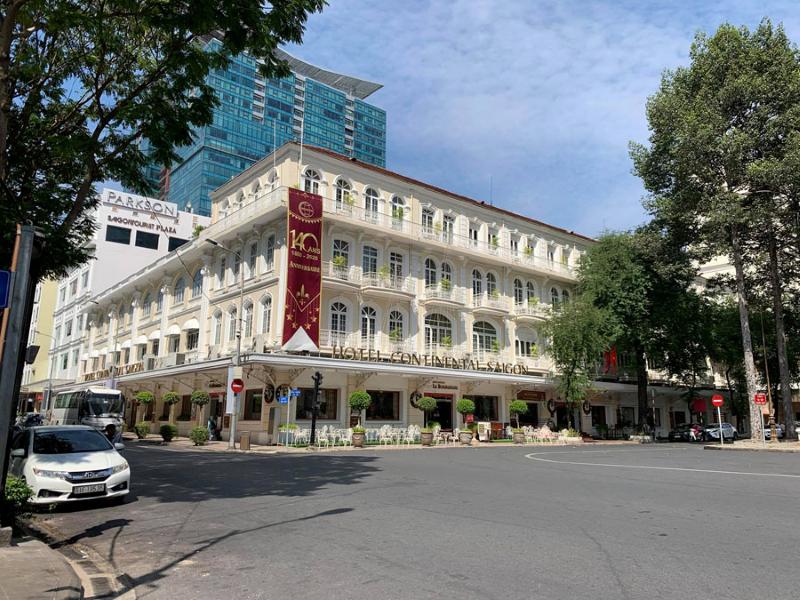
Welcome to Ho Chi Minh City (Saigon), once the capital of South Vietnam and a major center for American military operations during the war. For many veterans, returning to this city may bring back memories of a very different time. Today, its modern skyline, busy streets, and changing way of life offer a striking contrast to the Saigon they may remember.
Upon arrival at Tan Son Nhat International Airport (SGN), meet your guide and driver for a private transfer to your hotel. Our team will assist with check-in and help you settle in after your international flight.
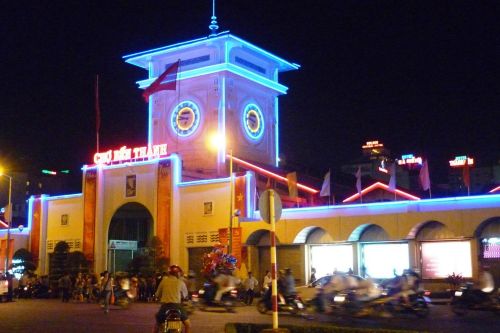
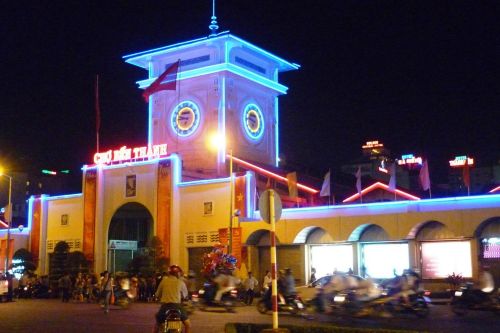
The rest of the day is free to relax and recover from the journey. If you feel rested and would like to explore, your guide can help arrange an optional visit to Ben Thanh Market or suggest a gentle walk around the city. Those who prefer to rest can enjoy a quiet afternoon at the hotel before the tour continues the following day. Overnight in Ho Chi Minh City (Saigon).
Spend the day exploring important wartime sites around Ho Chi Minh City (Saigon), from the underground tunnel network of Cu Chi to the former political center of South Vietnam. These places offer a closer look at the conflict and its impact, while helping returning veterans see how Vietnam has changed in the decades since the war.
Morning – Cu Chi Tunnels: Travel from the city to the Cu Chi Tunnels, an extensive underground network used by Viet Cong forces during the war. Walk along shaded forest paths, see preserved tunnel entrances, command areas, and displays of wartime traps, and learn how the tunnel system supported communication, supply, and military operations. The visit provides insight into the difficult conditions faced by those who lived and fought underground. Entering the tunnels is optional, allowing guests to choose what feels comfortable for them.
Lunch: Enjoy a Vietnamese lunch at a carefully selected restaurant before returning to the city center.
Afternoon – Saigon War History:
- Reunification Palace (formerly Independence Palace): Visit the former headquarters of the South Vietnamese government. Explore its presidential offices, meeting rooms, and underground command bunker, which preserve important reminders of the final years of the war and the events of April 30, 1975.
- War Remnants Museum: Explore photographs, military equipment, and historical exhibits documenting the war and its lasting consequences. The displays offer an opportunity to reflect on the experiences of Vietnamese people during and after the conflict, as well as the long process of rebuilding and reconciliation.
- Return to your hotel in the late afternoon. The evening is free to rest after a full day of sightseeing or enjoy dinner independently. Overnight in Ho Chi Minh City (Saigon).
At 7:30 AM, your tour guide and driver will pick you up at your hotel for the drive to the Mekong Delta. During the Vietnam War, this region was an important area of river operations involving the U.S. 9th Infantry Division and the Mobile Riverine Force, also known as the “Brown Water Navy.” Today, the waterways and villages have a very different rhythm of life, offering a chance to see how the region has changed over the decades.
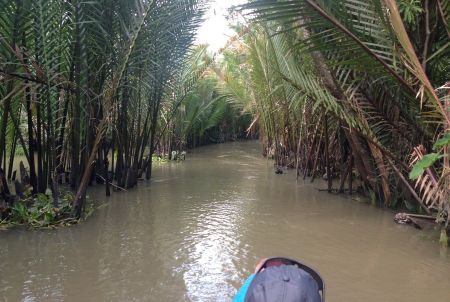
Upon arrival in My Tho, board a private motorboat for a cruise along the Tien River to Ben Tre. Visit a village to see traditional cottage industries and fruit orchards, then take a hand-rowed sampan through narrow canals shaded by water coconut palms. Enjoy lunch at a garden house restaurant in the village.
In the afternoon, visit Dong Tam Snake Farm, also known as the Center for Research and Production of Medicines from Snakes. The center is known for its work with venomous snakes, antivenom production, and medical research. The wider Dong Tam area is associated with the former Camp Dong Tam, a major U.S. Army and riverine force base during the war. The visit offers an opportunity to learn about the area's later development, while the exact relationship between the present-day snake farm and the former military base should not be overstated.
Before returning to Ho Chi Minh City, stop at Vinh Trang Pagoda, a well-known Buddhist temple in My Tho. Its distinctive blend of Vietnamese, Chinese, and European architectural influences offers a glimpse into the cultural and religious traditions of the Mekong Delta.
Return to Ho Chi Minh City in the late afternoon. The evening is free to relax at the hotel or enjoy dinner independently. Overnight in Ho Chi Minh City (Saigon).
In the morning, transfer to Tan Son Nhat International Airport (SGN) for a flight to Chu Lai Airport (VCL). During the war, Chu Lai was a major U.S. Marine Corps base and later an important operating area for the Americal Division. Upon arrival, meet your local guide and driver for the transfer to Quang Ngai City. Check in at your hotel and enjoy lunch before beginning the afternoon's historical visits.
Start at the My Lai Memorial (Son My Memorial Site), which commemorates the massacre of March 16, 1968, when U.S. soldiers killed hundreds of unarmed Vietnamese civilians. Walk through the memorial grounds, see the remains of village houses, and visit the museum to learn about the people who lived here and the events that devastated their community. For returning American veterans, this visit offers an opportunity to reflect on a painful chapter of the war and its lasting impact on the people of Vietnam.
Continue south to Duc Pho, an area that saw intense fighting during the war and was home to several U.S. military positions, including the Duc Pho Base Camp and Landing Zone Bronco, associated with the 11th Infantry Brigade of the Americal Division. The area also has a deeply human connection to the war through the story of Dr. Dang Thuy Tram, a North Vietnamese battlefield doctor whose wartime diaries describe her work treating wounded soldiers under difficult conditions. If time permits, visit the memorial exhibition dedicated to her life and work at Dang Thuy Tram Hospital in Pho Cuong, offering another perspective on the experiences of those who lived and served on the other side of the conflict.
Return to Quang Ngai City in the late afternoon. The evening is free to relax at the hotel or enjoy dinner independently. Overnight in Quang Ngai.
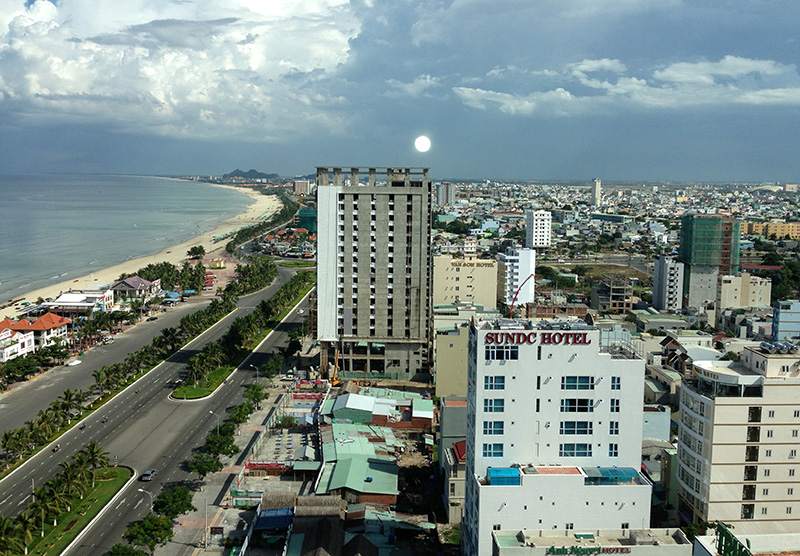
After breakfast, depart Quang Ngai City at around 8:00 AM and travel north toward Da Nang. Upon arrival, visit Marble Mountains, known for their limestone hills, caves, and Buddhist sanctuaries. Explore the main accessible areas before continuing to My Khe Beach, where you can take a short walk and see one of Da Nang’s best-known coastal landmarks, now part of a thriving seaside city.
Enjoy lunch at a restaurant in Da Nang before continuing north along the scenic coastal route. Travel over Hai Van Pass, with a brief stop at a suitable viewpoint to enjoy the mountain and sea views. Continue to Lang Co Beach for a short break before driving on to Hue.
Arrive in Hue in the afternoon, check in at your hotel, and enjoy the rest of the day at leisure. Overnight in Hue.
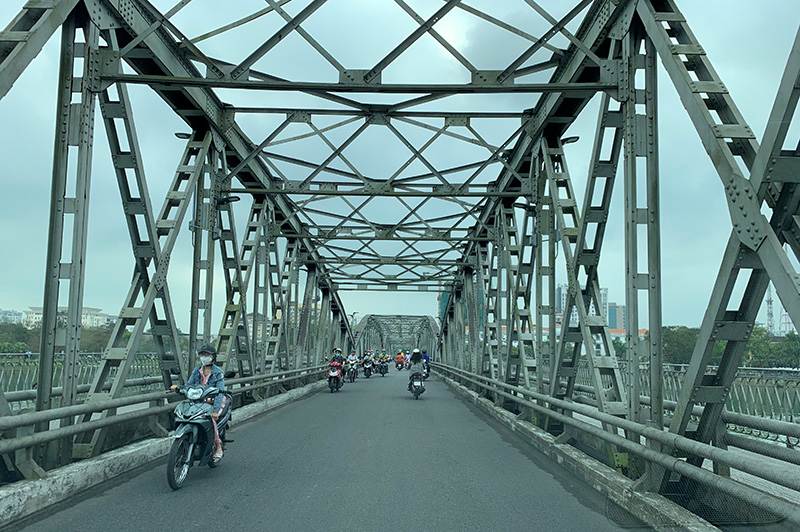
Explore Hue, Vietnam’s former imperial capital, where royal heritage and memories of the Vietnam War remain closely connected. During the 1968 Tet Offensive, the Battle of Hue lasted for weeks as U.S. Marines and South Vietnamese forces fought to retake the city. Today, its historic buildings and restored monuments offer a chance to understand both the city’s long history and the impact of the war.
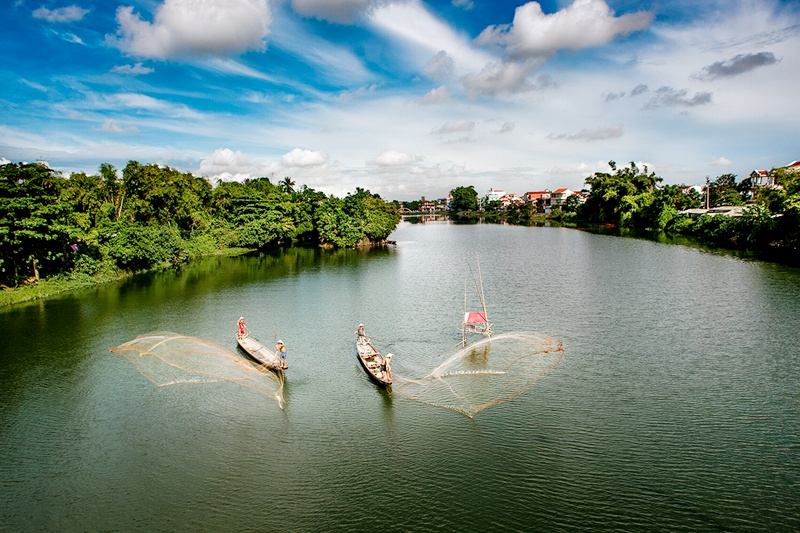
Begin the morning with a boat cruise along the Perfume River (Song Huong), passing riverside gardens and the green countryside surrounding the city. Visit Thien Mu Pagoda, the seven-story landmark overlooking the river, known for its long religious history and its place in modern Vietnamese history.
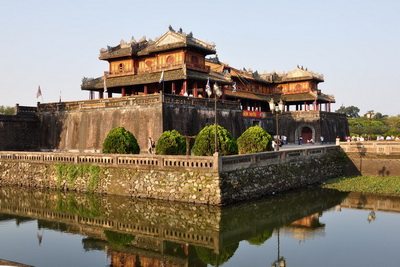
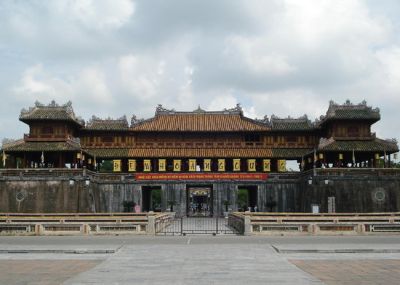
Continue to the Imperial Citadel (Dai Noi), once the political center of the Nguyen Dynasty. Explore its gates, courtyards, palaces, and the remains of the Forbidden Purple City. The complex suffered significant damage during the 1968 Battle of Hue, and ongoing restoration has helped preserve its surviving structures. Walking through the grounds offers a tangible connection between the city's imperial past and the fighting that took place here.
Enjoy lunch featuring traditional Hue cuisine
In the afternoon, visit Tu Duc Royal Tomb, set among pine trees, lakes, and landscaped gardens. Built for Emperor Tu Duc, the complex reflects the architecture and court traditions of Vietnam’s last imperial dynasty. Later, drive past the former Phu Bai Airfield area, south of Hue, which served as an important U.S. military aviation and logistical base during the war. The stop provides an opportunity to discuss the role of airfields and supply routes in military operations around Hue.
Return to your hotel in the late afternoon. The evening is free to relax or enjoy a quiet walk along the Perfume River. Overnight in Hue.
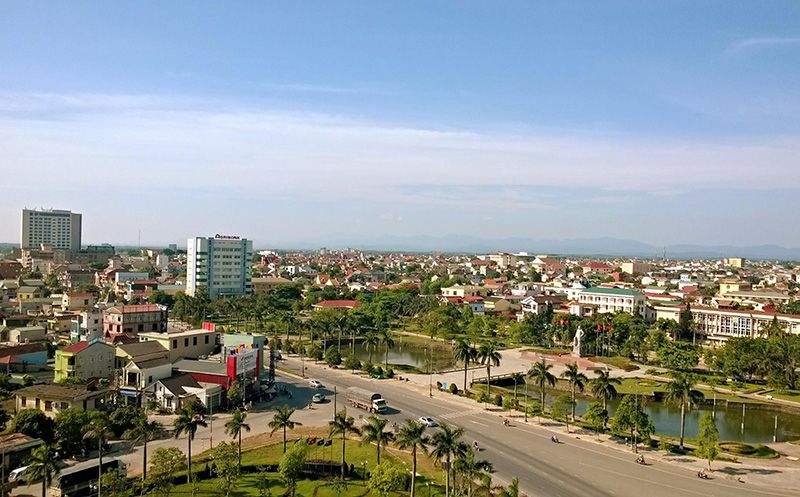
Depart Hue in the morning and travel north along Highway 1 to Quang Tri Province, home to the former Demilitarized Zone (DMZ). During the Vietnam War, the area around the 17th Parallel became one of the most heavily contested parts of the country, with military bases, defensive positions, and supply routes spread across the region.
Begin at Doc Mieu Base, a former military position associated with the McNamara Line, the U.S.-backed system of observation posts, sensors, and defensive installations designed to monitor movement across the DMZ. Today, little of the original base remains, and the surrounding countryside has largely returned to agricultural use. The site offers a starting point for understanding the military strategy once employed along this former dividing line.
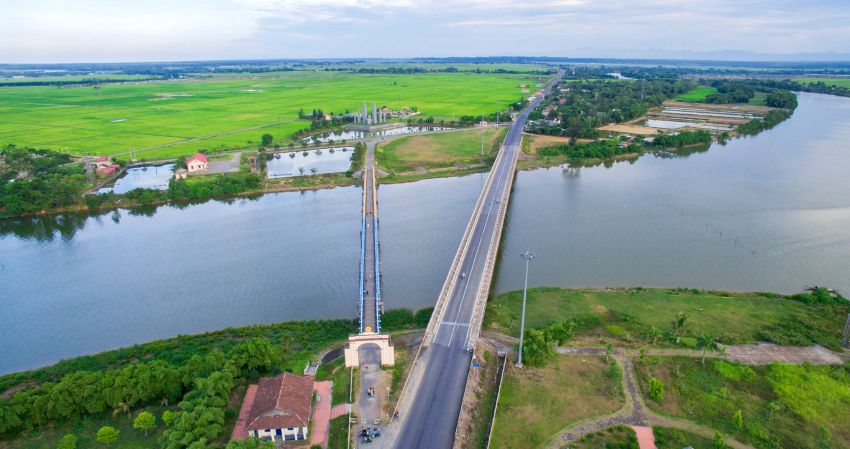
Continue to Hien Luong Bridge and the Ben Hai River, which marked the provisional boundary between North and South Vietnam under the 1954 Geneva Accords. Walk across the historic bridge and visit the nearby museum and memorial complex to learn how the division affected families and communities on both sides. The area now stands as an important symbol of national reunification.
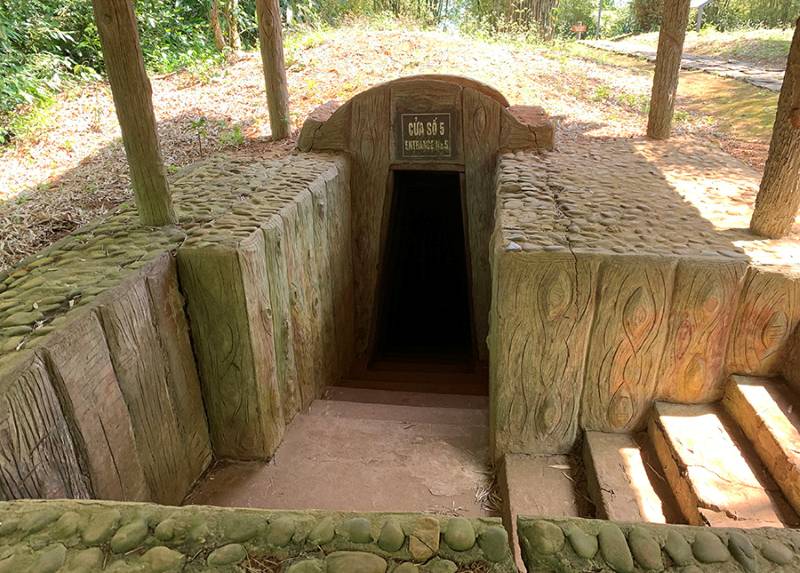
Enjoy lunch at a restaurant near the coast before continuing to Vinh Moc Tunnels. This underground network was built by local villagers to shelter from repeated bombing during the war. Explore the tunnels and see the living quarters, meeting areas, and other spaces used by residents who spent long periods underground. Unlike the military tunnel systems associated with combat operations, Vinh Moc was primarily designed to protect civilians and help the community survive under wartime conditions.
In the afternoon, drive south to Dong Ha, a town that served as an important military and logistical center during the war. Check in at your hotel and spend the rest of the day relaxing. Overnight in Dong Ha.
After breakfast, depart Dong Ha and travel west along Highway 9 , an important military route during the Vietnam War that connected the coastal region with the western highlands near the Laotian border. The road played a significant role in military operations around Quang Tri and the approaches to the Ho Chi Minh Trail.
Stop near Camp Carroll, a former U.S. Marine Corps artillery base that supported operations along the DMZ and Highway 9. Continue to The Rockpile, a distinctive limestone outcrop that served as a U.S. Marine observation post during the war. Its elevated position provided views across the surrounding valleys and helped monitor movement in the area. Although visitors cannot normally climb to the summit, the surrounding landscape gives a sense of the terrain that shaped military operations here.
Continue west to Khe Sanh Combat Base, the site of the prolonged siege in early 1968. Explore the former Ta Con Airfield, where the remaining runway, bunkers, military equipment, and aircraft displays help illustrate the role of the base during the battle. Visit the site museum to learn more about the siege, the experiences of the troops stationed here, and the impact of the conflict on local communities, including the Bru-Van Kieu people.
Enjoy lunch at a restaurant in Khe Sanh town before continuing west to Lang Vei Special Forces Camp, a former U.S. Army Special Forces outpost that was attacked by North Vietnamese forces supported by tanks in February 1968. The site adds another perspective on the fighting along Highway 9 and the wider Khe Sanh area.
In the afternoon, return to Dong Ha along Highway 9. Overnight in Dong Ha.
After breakfast, check out of your hotel in Dong Ha and travel south along Highway 1 toward Hue, stopping at two important sites in Quang Tri that offer different perspectives on the region’s history.
Visit Quang Tri Ancient Citadel (Thanh Co Quang Tri), where fierce fighting took place during the 81-day battle in the summer of 1972. Walk through the historic grounds, see the remaining sections of the brick ramparts, and visit the central memorial honoring those who died in the battle. The site provides a quiet opportunity to reflect on one of the most intense periods of the Vietnam War.
Continue to La Vang Holy Land, one of Vietnam’s most important Catholic pilgrimage sites. Associated with the reported apparition of the Virgin Mary in 1798, the sanctuary was heavily damaged during the war in 1972. Today, the site combines historic remnants with newer religious structures, reflecting both its wartime history and its continuing spiritual importance.
Enjoy lunch at a restaurant along the way before continuing south to Hue. Arrive in the afternoon, check in to your hotel, and spend the rest of the day relaxing or taking a gentle stroll along the Perfume River. Overnight in Hue.
Depart early from Hue and travel west along National Route 49 toward A Luoi and A Shau Valley, near the Lao border. During the Vietnam War, the valley was an important route for North Vietnamese troops and supplies moving along the Ho Chi Minh Trail. It later became the scene of several major military operations involving U.S., South Vietnamese and North Vietnamese forces.
Continue to Hill 937 (Dong Ap Bia), better known to American veterans as Hamburger Hill. In May 1969, the U.S. 101st Airborne Division and South Vietnamese forces fought North Vietnamese troops for control of this heavily defended hill. The battle lasted ten days and became one of the best-known engagements of the war.
Visit the accessible areas around the battlefield and memorial, depending on road and trail conditions. Your guide will recount the events of the battle and explain the difficulties troops faced in the steep, densely forested terrain. Any walking or climb will depend on the conditions at the site and the group's ability.
Stop for lunch at a restaurant in A Luoi town. This is also an opportunity to learn about the Pa Co and Ta Oi communities, whose villages are found throughout the surrounding highlands.
In the afternoon, return to Hue along National Route 49. Arrive in the late afternoon or early evening and spend the rest of the day relaxing at your hotel. Overnight in Hue.
Enjoy a relaxed morning in Hue before transferring to Phu Bai International Airport (HUI) for your midday flight to Ho Chi Minh City (SGN). Depending on your departure time, you may have a little time for a coffee or a short stroll before leaving Hue.
Upon arrival at Tan Son Nhat International Airport, meet your driver and transfer to your hotel in the city center. Check in and take the afternoon to rest after the flight, with time to relax before your international departure tomorrow.
At 6:00 PM, transfer to Bach Dang Wharf and board a dinner cruise along the Saigon River. Enjoy dinner featuring Vietnamese cuisine, accompanied by live music as the boat passes the city's illuminated waterfront. From the deck, you can see the contrast between historic riverside landmarks and the modern skyline, offering a different view of Saigon after your days exploring Vietnam's wartime history and changing landscapes.
Return to your hotel later in the evening and rest before your flight home the following day. Overnight in Ho Chi Minh City.
Enjoy breakfast at your hotel before checking out. Depending on your flight schedule, your driver will meet you at the hotel and transfer you to Tan Son Nhat International Airport (SGN) for your departure flight home.
Over the past 12 days, you have revisited places connected to the Vietnam War, traveled through the countryside and the Mekong Delta, and discovered cities and communities that have changed considerably over the decades. For those returning to Vietnam after many years, familiar places may look very different today, while some memories remain close. We hope this tour has given you a chance to reflect on the past and see how Vietnam has developed into the country it is today.
Thank you for choosing WaytoVietnam Travel for your Vietnam Veterans Tour. It has been our pleasure to accompany you, share the history of the places you visited, and introduce you to the people, culture and everyday life of modern Vietnam.
If you enjoyed your time with us, we would greatly appreciate it if you shared your experience with fellow veterans, family and friends who may also be interested in visiting Vietnam. We would be delighted to help them plan their own tours and welcome you back should you wish to explore more of the country in the future.
We wish you a safe and comfortable flight home. Thank you for traveling with WaytoVietnam Travel, and we hope to see you again. Hen Gap Lai!
View on map
Accommodation
4 Star Hotels :
- Saigon : Au Lac Charner Hotel
- Quang Ngai: NewCC Hotel & Serviced Apartment
- Hue : Eldora Hotel
- Dong Ha : Saigon Dong Ha Hotel
5 Star Hotels :
- Saigon : Rex Hotel
- Quang Ngai: NewCC Hotel & Serviced Apartment
- Hue : La Residence Hotel
- Dong Ha : Grand Muong Thanh Dong Ha Hotel


View more Vietnam Veterans Tours

Vietnam War Tour

Vietnam War in the Highland

Sai Gon - Central Highlands - My Lai - Quang Tri DMZ - Hanoi

8 Days War Memory
Useful Information


Choose your holiday style
Go wild, go slow, go smooth, go solo - an adventure is what you make of it.
Most Popular Tour Destinations in Vietnam