
-
Vietnam tours
VietNam Tour Packages
- South East Asia Tours
- Cruises
- Request a quote

Chiang Mai
Chiang Mai Travel Guide: Exploring Northern Thailand’s Cultural Capital
Founded in 1296 as the capital of the Lanna Kingdom, Chiang Mai is the largest city in northern Thailand and an important center of its culture and history. Surrounded by mountains, the city is known for its historic temples, lively markets, local cuisine, and easy access to nature. Highlights include 14th-century Wat Phra Singh and Wat Chedi Luang in the Old City, as well as Wat Phra That Doi Suthep overlooking the city.
Beyond its temples, Chiang Mai offers a wide range of experiences, from ethical elephant sanctuaries and mountain trips to traditional food markets and evening walks through the Old City. It is also a convenient base for exploring northern Thailand. You can explore our customized Thailand tour packages or tailor a private Chiang Mai itinerary to combine the city with nearby destinations.
Chiang Mai Travel at a Glance
- Best Time to Visit: November to February, when the weather is generally cool and dry. This period also includes the famous Yi Peng Lantern Festival.
- Recommended Duration: 3 to 5 days to explore the Old City, visit major temples, try local food, experience an ethical elephant sanctuary, and enjoy the night markets.
- Average Daily Budget: $30–$60 for budget travelers | $100–$200+ for mid-range to luxury travelers.
- Getting Around: Grab, Songthaew (shared red trucks), or a rented scooter.
- Top Highlights: Visit Wat Phra That Doi Suthep, experience an ethical elephant sanctuary, taste Khao Soi, and explore the Sunday Walking Street.

Area: 20,170 km²
Population: ~1,799,000 (2024)
Geography
Chiang Mai Province is located in northern Thailand, about 700 km from Bangkok, in the Mae Ping River basin. The province has an average elevation of around 300 meters (1,000 feet) and is largely mountainous.
It borders Myanmar's Shan State to the north, Chiang Rai, Lampang, and Lamphun provinces to the east, Tak province to the south, and Mae Hong Son province to the west. Chiang Mai is Thailand's largest province by land area and the second-largest by population. Approximately 70% of the province is covered by forests, with numerous national parks and mountain areas that offer opportunities for hiking, waterfalls, and nature trips.
Weather & Climate
Chiang Mai has a tropical wet and dry climate, with warm to hot weather for most of the year. Temperatures vary by season, and the cooler months from November to February are generally the most comfortable for sightseeing. The mountainous surroundings can also bring cooler temperatures, especially at night and at higher elevations.
Cool Season (November–February): The most pleasant time to visit, with daytime temperatures generally around 20–30°C and cooler evenings. The weather is mostly dry and comfortable for sightseeing, hiking, and exploring the Old City.
Hot Season (March–May): Temperatures can reach 35–40°C, particularly in April. Early mornings are the best time for outdoor activities, while shaded mountain areas provide relief from the heat. Note: Late February through April also coincides with the annual smoky season, which can affect air quality.
Rainy Season (June–October): Monsoon showers are common, but they are often short rather than continuous. The countryside becomes greener, waterfalls are fuller, and there are generally fewer tourists.
Transportation: How to Get to Chiang Mai
Chiang Mai is well connected by air, rail, and road, making it easy to reach from Bangkok, major cities across Thailand, and several international destinations.
- By Air (Fastest & Most Convenient): Chiang Mai International Airport (CNX) is located about 4 km from the Old City. It handles frequent domestic flights from Bangkok and other Thai cities, as well as international services to selected destinations in Asia. Flight routes and schedules can vary by season.
- By Train (Scenic & Budget-Friendly): Overnight and daytime trains run from Bangkok's Krung Thep Aphiwat Central Terminal to Chiang Mai Railway Station. The overnight sleeper train, particularly the No. 9 Special Express, is a popular choice for travelers who enjoy a slower journey and want to avoid paying for a hotel that night. The journey takes around 11–13 hours, depending on the service.
- By Bus & Road: Express and VIP buses operate daily between Bangkok and Chiang Mai, with the journey usually taking around 9–10 hours. Buses also connect Chiang Mai with many other cities in Thailand. International overland routes from neighboring Laos and Myanmar are available on selected routes, although schedules and border crossings can change.
Pro Tip: Once you arrive, getting around Chiang Mai is fairly easy. Grab is useful for point-to-point rides, while Songthaews (shared red trucks) are a traditional local option. Renting a scooter can be convenient for exploring beyond the Old City, provided you are comfortable riding and have the appropriate license.
Top Things to See & Do in Chiang Mai
Chiang Mai offers much more than historic temples. You can spend a morning exploring the Old City, visit a mountain temple, try Northern Thai food at a local market, or head into the countryside for waterfalls, wildlife, and outdoor activities.

Cultural & Historic Landmarks
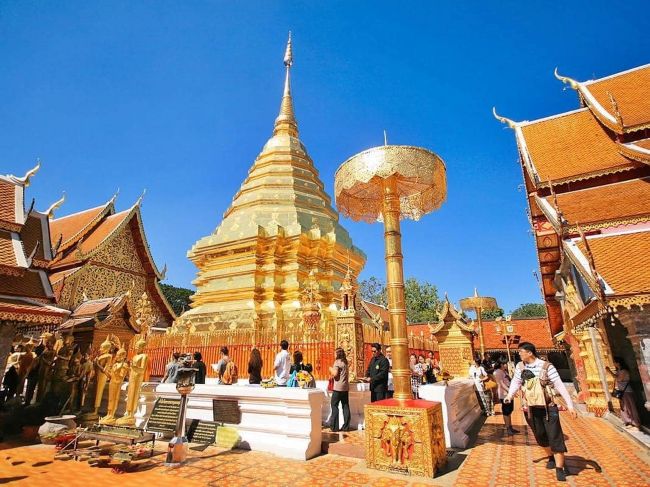
- Wat Phra That Doi Suthep: One of Chiang Mai’s most important and revered temples, Wat Phra That Doi Suthep sits near the summit of Doi Suthep mountain. Visitors climb a 306-step staircase lined with naga statues to reach the golden chedi, built in the Lanna style. The hilltop location also offers views across Chiang Mai when the weather is clear.
- Wat Chedi Luang: Located in the heart of the Old City, this temple complex is known for its massive brick chedi, originally completed in the late 15th century. The structure was partly damaged by an earthquake in 1545, and its remaining ruins are now one of the most recognizable landmarks in Chiang Mai.
- Wat Phra Singh: Located in the historic center of Chiang Mai, Wat Phra Singh Woramahawihan is known for its classic Lanna architecture, detailed wood carvings, and the revered Phra Buddha Sihing image. The temple is one of the most important religious and cultural sites in the Old City.
- Chiang Mai Old City: Enclosed by historic walls and a surrounding moat, the Old City is best explored on foot. Its streets are lined with temples, small guesthouses, cafés, restaurants, and traditional massage shops, with many attractions within walking distance of each other.
- Local Markets: Chiang Mai’s markets offer an easy way to experience local food and everyday life. Sunday Walking Street is popular for handicrafts and street food, Warorot Market (Kad Luang) is known for local snacks, dried foods, and souvenirs, while the Night Bazaar is a convenient option for evening shopping and dining.
Nature & Wildlife
- Elephant Nature Park: Elephant Nature Park (ENP) is a well-known elephant rescue and rehabilitation center near Chiang Mai. It focuses on elephant care, education, and observation rather than elephant rides or performances, giving visitors an opportunity to learn about rescued elephants in a natural setting.
- Doi Inthanon National Park: Home to Thailand’s highest mountain at 2,565 meters, Doi Inthanon is known for its waterfalls, forest trails, birdwatching, viewpoints, and the Twin Royal Pagodas. The park also includes the Kew Mae Pan Nature Trail, while temperatures are noticeably cooler at higher elevations.
- Bua Tong Waterfall (Sticky Waterfall): Located about 1.5 hours north of Chiang Mai, Bua Tong is famous for its unusual limestone surface, which provides good traction and allows visitors to climb parts of the cascading waterfall. The surrounding forest makes it a popular day trip from the city.
Cultural Experiences
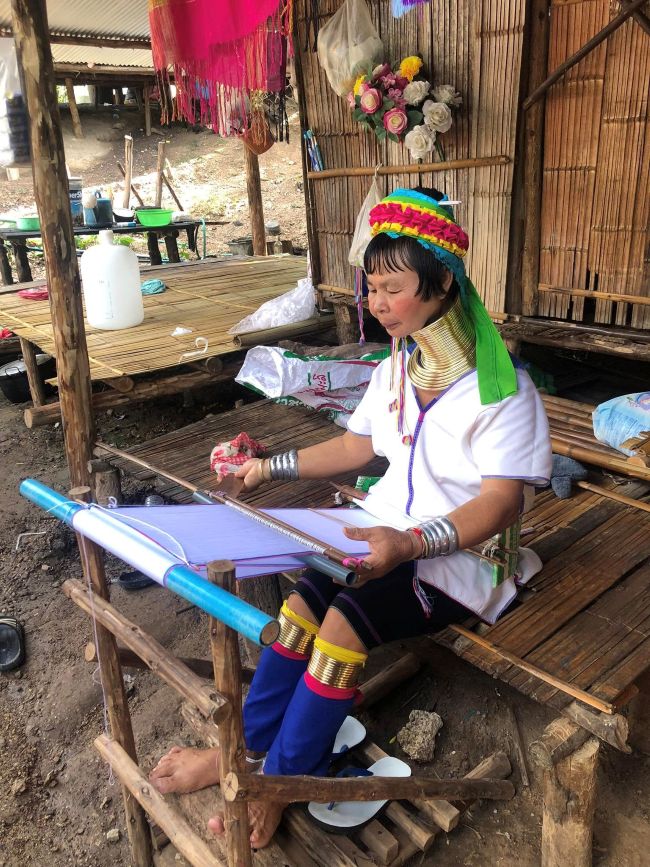
- Karen Long Neck Villages: Visiting a Karen community can be a memorable cultural experience for travelers interested in the traditions and daily life of ethnic communities in northern Thailand. Some villages around Chiang Mai welcome visitors to learn about local crafts, traditional clothing, and the well-known practice of wearing brass neck coils among some Karen women. If you choose to visit, look for a community-based experience that treats residents with respect and gives visitors an opportunity to learn rather than simply observe.
Adventure & Outdoor Activities
- Pongyang Jungle Coaster & Zipline: Located in the hills of Mae Rim, Pongyang offers outdoor activities including ziplining and a jungle coaster. The attraction combines adventure activities with views of the surrounding forest and is a good option for travelers looking to spend a few hours away from the city.
What to Eat in Chiang Mai: Northern Thai Culinary Highlights
Chiang Mai is known for its Northern Thai cuisine, often associated with Lanna cooking and its use of herbs, spices, chilies, and slow-cooked dishes. Along with familiar Thai favorites, the city is a good place to try regional specialties that are less common elsewhere in Thailand. Looking for the best places to dine? Check out our curated guide to the top restaurants in Chiang Mai to find iconic local eateries and modern dining spots.

Must-Try Northern Thai Specialties
Khao Soi: One of Northern Thailand's best-known dishes, Khao Soi is a curry noodle soup made with egg noodles in a rich, spiced broth. It is usually served with chicken or beef and topped with crispy fried noodles, lime, pickled mustard greens, and shallots. Variations can be found across northern Thailand, although Chiang Mai is particularly well known for the dish.
- Where to Try: Khao-Sō-i on Charoen Rat Road is one local option.
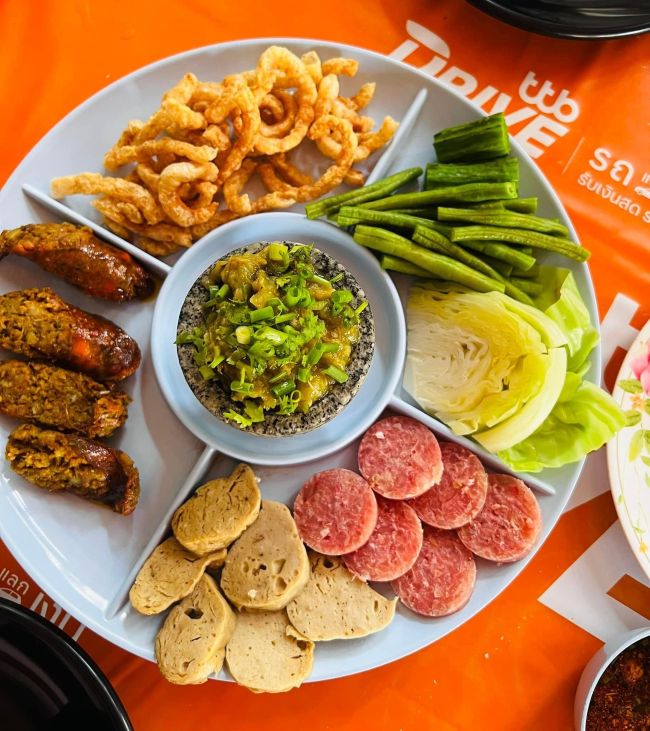
Sai Oua (Northern Thai Sausage): Sai Oua is a Northern Thai pork sausage flavored with lemongrass, kaffir lime leaves, galangal, garlic, and chili. It is commonly grilled and sliced before being served with sticky rice, fresh vegetables, or chili dips. Local markets and street food stalls are good places to look for it.
- Where to Try: Warorot Market (Kad Luang) and local morning or evening food stalls around Chiang Mai are good places to look for freshly grilled Sai Oua.
Nam Prik Noom: This Northern Thai green chili dip is made with roasted green chilies, garlic, and shallots. It is commonly served with fresh or steamed vegetables, crispy pork skin, and sticky rice. For visitors who enjoy spicy food, it is one of the local dishes worth trying.
- Where to Try: Tong Tem Toh in the Nimman area serves a range of Northern Thai dishes, including Nam Prik Noom.
Gaeng Hang Lay: This rich Northern Thai pork curry has Burmese influences and is slowly cooked with garlic, ginger, tamarind, and aromatic spices. The result is tender pork with a savory flavor and a mild sweet-and-sour note. It is usually served with rice.
- Where to Try: Galae Restaurant is one option for trying Northern Thai cuisine.
Lanna Laab: Northern-style Laab differs from the better-known Isan versions. It is typically made with minced meat, herbs, chili, and a warm blend of roasted spices, creating a deeper and more aromatic flavor. The preparation can vary between restaurants.
- Where to Try: Laab Bunker is one local restaurant specializing in Laab and other Northern Thai dishes.
Popular Street Foods & Desserts
Moo Ping & Sai Krok Isaan: Moo Ping consists of marinated pork skewers grilled over charcoal, while Sai Krok Isaan is a fermented pork sausage with a distinctive slightly sour flavor. Both are commonly served with sticky rice and make easy snacks from local markets and street stalls.
- Where to Try: Look for both at Warorot Market (Kad Luang), the Sunday Walking Street, and local morning or evening food stalls around Chiang Mai.
Khanom Jeen Nam Ngiaw: Rice noodles served with a spicy tomato-based broth, usually containing pork and Northern Thai ingredients such as fermented soybeans and dried red cotton tree flowers. It is a popular dish in northern Thailand.
- Where to Try: Local Northern Thai restaurants and traditional food markets around Chiang Mai are good places to look for Khanom Jeen Nam Ngiaw.
Khao Kha Moo: Slow-braised pork leg served over rice, usually accompanied by a boiled egg, pickled vegetables, and a savory sauce. You can find it at local food stalls and markets around Chiang Mai.
- Where to Try: Local food stalls and markets, particularly around the Old City and Warorot Market, often serve Khao Kha Moo.
Som Tam Thai: Green papaya salad made with shredded unripe papaya, garlic, chili, tomatoes, lime, fish sauce, and palm sugar. It combines sweet, sour, salty, and spicy flavors and is widely enjoyed throughout Thailand.
- Where to Try: Som Tam Udon in the Chang Phueak area is one option for trying Thai-style papaya salad.
Mango Sticky Rice (Khao Niew Mamuang): A popular Thai dessert made with sweet coconut sticky rice and ripe mango, usually finished with coconut sauce. It is widely available at markets and restaurants, particularly during mango season.
- Where to Try: Mana's Best Mango Sticky Rice is a popular option in the Old City.
Kanom Krok: Small Thai coconut-rice pancakes cooked in a special pan. They have lightly crisp edges and a soft, creamy center and are commonly sold at local markets and street food stalls.
- Where to Try: Warorot Market (Kad Luang) and local morning or evening markets are good places to look for freshly made Kanom Krok.
Chiang Mai Nightlife & Cafe Culture
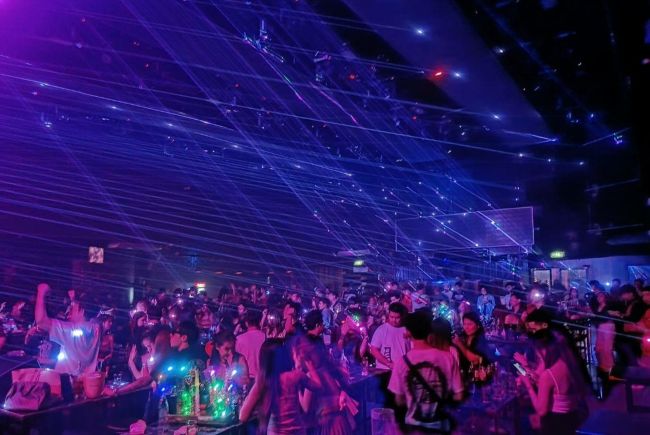
Chiang Mai’s nightlife is generally more relaxed than Bangkok or Phuket, with a mix of live music, night markets, rooftop bars, cocktail lounges, and late-night venues. The city’s evening scene is spread across the Old City, Nimman, Loi Kroh Road, and the Ping River area, so travelers can easily choose an evening that suits their interests.
Live Music & Riverside Venues
The Riverside Bar & Restaurant: Located along the Ping River, The Riverside has been part of Chiang Mai’s evening dining scene since 1984. It combines Thai and Western food with drinks and live music, making it a good choice for dinner followed by an evening of live entertainment.
- Address: 9–11 Charoen Rat Road, Chang Moi, Chiang Mai 50000, Thailand
- Best for: Riverside dining and live music.
North Gate Jazz Co-op: Located near Chang Phueak Gate, North Gate Jazz Co-op is one of Chiang Mai’s best-known live music venues. The compact bar hosts regular jazz and blues performances by local and visiting musicians, with the atmosphere becoming livelier later in the evening.
- Address: 91/1–2 Sri Poom Road, Si Phum, Chiang Mai 50200, Thailand
- Best for: Jazz, blues, and live music.
Popular Bars, Rooftops & Social Clubs
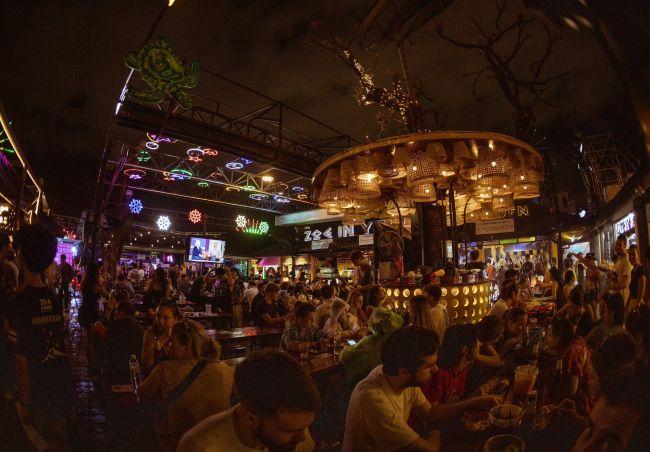
Zoe in Yellow: One of the most recognizable nightlife spots in Chiang Mai, Zoe in Yellow is popular with backpackers and younger travelers. The open-air complex has several bars and dance areas with DJs and a lively atmosphere, particularly later in the evening.
- Address: 1 Ratvithi Road, Si Phum, Chiang Mai 50200, Thailand
- Best for: Dancing, socializing, and a lively night out.
THC Rooftop Bar: Located near Tha Phae Gate, THC Rooftop Bar has a casual rooftop setting with floor cushions, music, drinks, and views across the surrounding Old City area.
- Address: 19 Mun Mueang Road, Phra Sing, Chiang Mai 50300, Thailand
- Best for: Casual rooftop drinks and relaxed evenings.
Surr Bar: Located on the eighth floor of Art Mai Gallery Hotel in Nimman, Surr Bar focuses on cocktails in a more intimate rooftop setting. Its signature drinks and art-themed interior make it an option for travelers looking for something quieter than the city’s late-night party venues.
- Address: 8th Floor, Art Mai Gallery Hotel, Soi 3, Nimmanhaemin Road, Suthep, Chiang Mai 50200, Thailand
- Best for: Cocktails and a more refined evening.
Do You Ever Social Club: Situated around Nimman, Do You Ever Social Club combines drinks with indie and alternative music. It is a good option for travelers interested in Chiang Mai’s contemporary music and social scene.
- Address: 56 Siri Mangkalajarn Road, Suthep, Chiang Mai 50200, Thailand
- Best for: Indie music and casual drinks.
Great Shot Bar CNX: This café and bar combines specialty coffee, cocktails, and local art. It operates as a café during the day before becoming more of a bar in the evening.
- Address: Arak Road, Si Phum, Chiang Mai 50200, Thailand
- Best for: Coffee, cocktails, and art.
Night Markets & Evening Entertainment
Chiang Mai Night Bazaar: Stretching along Chang Khlan Road between the Old City and the Ping River, the Night Bazaar is one of Chiang Mai’s most popular evening markets. Visitors can browse handicrafts, clothing, artwork, souvenirs, and food while exploring the surrounding streets.
- Address: Chang Khlan Road, Chang Moi, Chiang Mai 50100, Thailand
- Best for: Evening shopping, street food, and local souvenirs.
Kalare Night Bazaar: Part of the larger Night Bazaar area, Kalare offers shops, food stalls, and a covered food court. It is a convenient place to combine shopping with dinner and evening entertainment.
- Address: 2 Chang Khlan Road, Chang Moi, Chiang Mai 50100, Thailand
- Best for: Local food, shopping, and casual evening entertainment.
Sunday Walking Street: Held along Ratchadamnoen Road in the Old City on Sunday evenings, this walking market is known for handicrafts, street food, snacks, and local performances. It is a good choice for travelers who want to experience Chiang Mai after dark without spending the evening in bars.
- Address: Ratchadamnoen Road, Si Phum, Chiang Mai 50200, Thailand
- Best for: Street food, handicrafts, and a local evening atmosphere.
- Open: Sunday evening
Chiang Mai Nightlife Tips
Chiang Mai nightlife usually starts quietly and becomes busier later in the evening. For live music, it is worth arriving early at smaller venues, while clubs and party spots tend to get busier later.
If you prefer a relaxed evening, combine a night market with dinner and live music. Travelers looking for cocktails and contemporary cafés will find more options around Nimman, while the Old City is convenient for bars, night markets, and evening walks. The Ping River area is a good option for dinner and live entertainment.
Frequently Asked Questions
For day trips to places such as Doi Inthanon or the surrounding countryside, a private driver can be a convenient option. Travelers who prefer a pre-arranged itinerary can also explore our Chiang Mai Day Tours.
Thailand Travel Guide
Recommended Tours
Related articles

Recommended Tours