
-
Vietnam tours
VietNam Tour Packages
- South East Asia Tours
- Cruises
- Request a quote
Useful information for planning your holiday in Vietnam
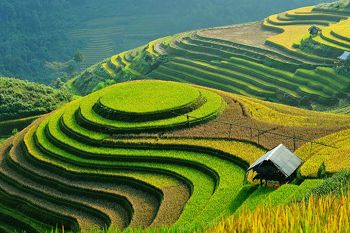
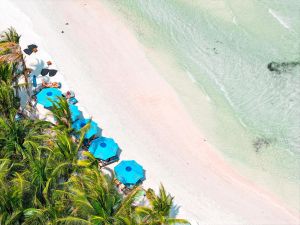
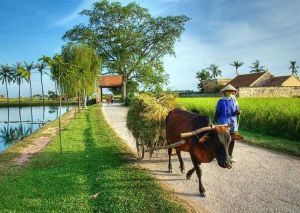
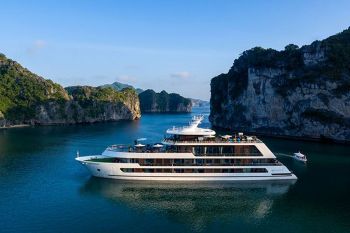
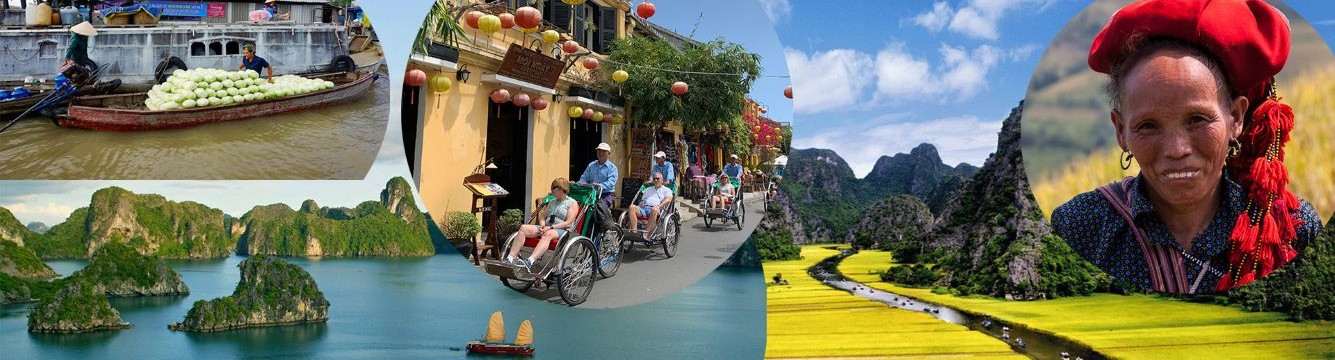
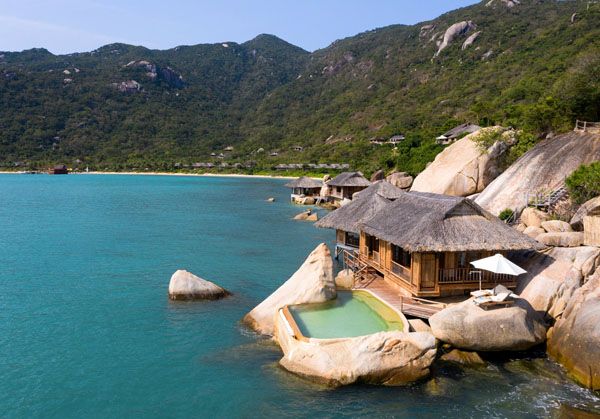
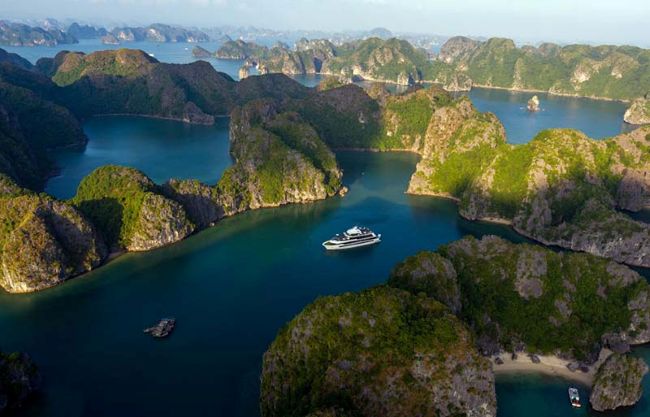
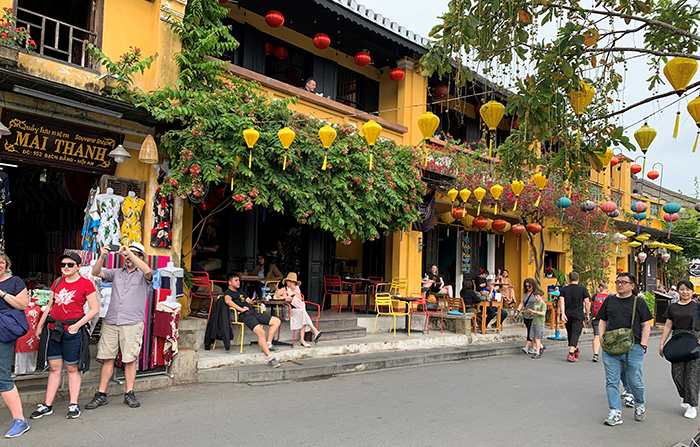
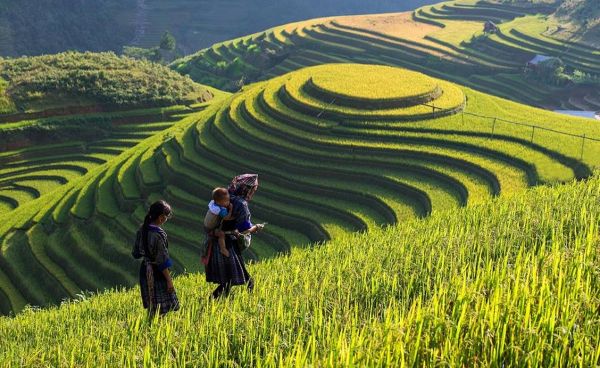
Vietnam is a country filled with captivating natural beauty and tranquil village life. Its highlands and rainforest regions yield new species and teem with exotic wildlife. Its islands and beaches are among the finest in all of Southeast Asia and its cuisine offers exquisite dishes. With an intriguing history spanning back over 4,000 years, including occupations from both the Chinese and French, strong cultural influences can be found in the architecture and cuisine.
CLIMATE
Vietnam has a diverse climate that varies significantly from region to region:
The North (Hanoi to Sapa)
• April to October: temperatures between 30-35°C with occasional bursts of heavy rain.
• December to March: temperatures between 10-15°C. February and March can be damp with drizzle and overcast skies.
The Centre (Hue to Nha Trang)
• Nha Trang: sunshine all year round apart from November and December when the area has heavy rain.
• Dalat: cooler than the coastal area, particularly from November to March.
• Da Nang and Hue: typhoons from mid October to mid December
The South (Phan Thiet to Ho Chi Minh)
• May to October: hot and wet
• November to April: hot and humid
Please note: The weather can be very unpredictable so it may be a good idea to carry an umbrella or raincoat with you. You can purchase these from supermarkets and general stores.
GENERAL INFORMATION
Passport and visa
Your passport should be valid for at least six months from the date of entry into Vietnam and have sufficient blank pages for immigration stamps. Visa requirements depend on your nationality. Vietnam offers visa-free entry to citizens of a number of countries, while travelers from all countries and territories can apply for a Vietnam e-visa online, valid for up to 90 days with single or multiple entry.
Visa regulations can change, so we recommend checking the latest requirements before departure. The WaytoVietnam team can also assist with visa guidance when planning your trip.
Money
The official currency in Vietnam is the Dong (VND) which is a non-convertible currency. US dollars are widely accepted in larger stores and supermarkets. Visa and MasterCard are becoming more accepted in hotels, restaurants and large stores, especially in the bigger cities. ATM’s are widely available throughout the country, and there are a number of international banks in Hanoi and Ho Chi Minh City.
Telephone connections to the rest of the world are widely available, however they aren’t cheap. A Vietnamese SIM card is a less expensive way of calling other countries, however your phone will need to be unlocked in order for it to work. For example, 200,000VND worth of Viettel credit ($10) can last for up to 45 minutes to the UK.
Internet access is available in all major tourist places and you will find WiFi in most cafes in built up areas.
SAFETY TRAVEL
In general, Vietnam is very safe for travelers. Violent attacks are almost none, although theft is might sometime be a problem. When possible, secure your valuables in the hotel safe. Remember to record your traveler’s cheque numbers and credit card information, just in case.
Do not leave your wallet or cell phone in the back pocket of your pants or anywhere else that’s easily reached (like an outer zip-up part on a backpack). Be especially vigilant in markets and other crowded places like ports, ferries and train stations.
Pick-pocketing and purse-snatching are more of a problem in Ho Chi Minh City. Some thieves approach on motorcycles, grab your belongings and race off before you’ve realized what’s happened. If you ride in a cyclo (pedicab) do not hold your bag in your lap. Sit on it or put it around your neck! Same thing with your cam cord. Wearing valuable jewellery especially necklaces that can be easily grabbed is not advisable.
Use common sense and don’t walk alone after dark, both for visionary and safety problems. Except the treets in Saigon and Hanoi are well lit up in the evening and at night, some others cities might be dark to walk. You’re always better not to use cyclos or motorbike taxis at night; ask your hotel or restaurant to call a reputable taxi firm which is always metered taxi.
Traffic is chaotic, especially at prime times when traffics seem to come from all directions. If you choose to ride a motorcycle or bike, make sure you understand the driving culture quite a bit.
When crossing the street on foot, move at a slow and steady pace with eyes contact. Never stop and step back suddenly since the motorist watching your pace from a far and measure their own speed. Just walk slowly and traffics will flow around you.
CULTURE AND CUSTOMS
Etiquette and cultural differences
Experiencing different cultures is one of the joys of travelling, and it is important that these differences are respected. Knowing a few important customs of the Vietnamese people will help make your visit more enjoyable:
• Try not to get angry. Showing any frustrations or annoyances by shouting or becoming abusive is extremely impolite and unlikely to achieve a positive outcome.
• Pointing your finger is seen as offensive. Try to gesture using your whole hand instead.
• Refrain from public displays of affection, they are considered offensive. It is extremely rare to see couples holding hands.
• Wear shorts to the knees and cover your shoulders, particularly at religious sites.
• Always remove your shoes when entering a temple or somebody’s home.
• Nude sunbathing is considered completely inappropriate, even on beaches.
• Remove your hat when entering a religious site, addressing the elderly or encountering esteemed people such as monks.
• It is improper to pat children on the head.
• When using a toothpick, it is polite to cover your open mouth.
• Don’t leave chopsticks sitting vertically in a rice bowl as it looks very similar to incense sticks that are burned for the dead.
• When passing something to another person, use both your hands together or just your right hand. Never use just your left hand.
Food and drink
Vietnamese food is fragrant, exciting and healthy. Around the country, you will find a delicious variety on offer, influenced from France, Thailand and even India.
The most popular dish is called Pho and is often referred to as the "soul of the nation". It's quite simply a noodle soup dish eaten every day, predominantly for breakfast. It is served in most Vietnamese restaurants and street food vendors. Don’t be afraid to try the street food, there are plenty of options, including:
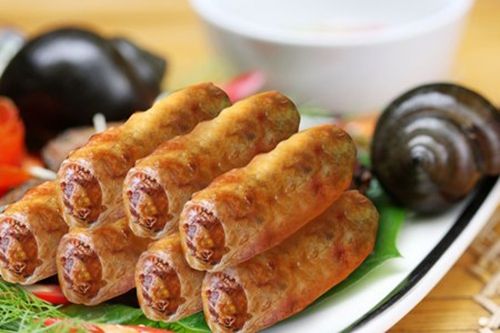
• Nem Ran or Cha Gio (fried spring roll)
• Banh Chung (sticky rice cake)
• GioLua (lean pork pie)
• BanhCuon (rice flour steamed rolls)
• Banh My (pate and egg rolls)
• Mivoithitbo/ga (noodles with beef/chicken)
It is not advisable to drink tap water in Vietnam. Bottled water is cheap and widely available.
Public holidays
• TET (Vietnamese New Year): generally takes place at the end of January or early February and lasts for three days.
• Liberation of Saigon: 30 April
• International Worker’s Day: 1 May
• Hung King’s memorial day: 10 March (lunar calendar)
• Vietnamese National Day: 2 September
TET Travel Recommendation: WaytoVietnam Travel discourages travel over the TET period. Transport is often booked or expensive. Lots of places are closed including restaurants, shops and key tourist sites.
Pre-departure checklist
• Travel insurance
• Passport with at least six months validity from date of entry
• Photocopy of passport
• Visa
• Foreign currency (US$) and/or ATM card
• All relevant tickets
• Reconfirmed flights
• Light weight clothing (summer months and the south)
• Warm clothing (mountainous regions and Hanoi in winter)
• Appropriate shoes for trekking, cycling or walking
• Insect repellent
• Medication
• First aid kit
• Adaptor – 220V, 50Hz; 2 pin plugs
• Small daypack (for day and overnight trips)
• Water bottle and helmet (for cycling trips)
Please note: Domestic airlines do impose restrictions on baggage at approx 20kg maximum, so travel lightly where possible. Train cabins around the country, and boat cabins ¬in Halong Bay have limited space so consider this when packing.
Suggested tours for Vietnam
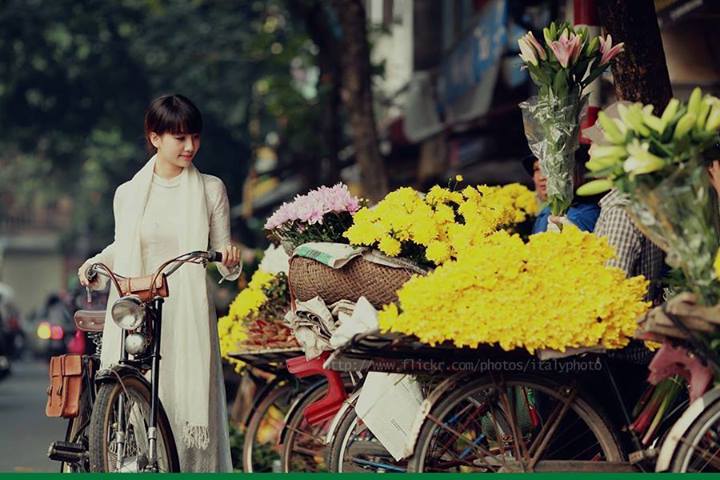
The Highlights of Vietnam
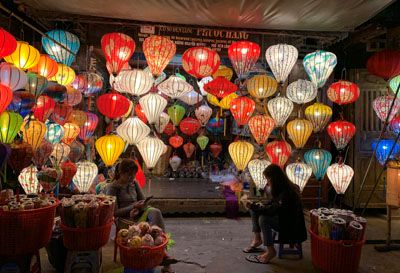
Vietnam Impression
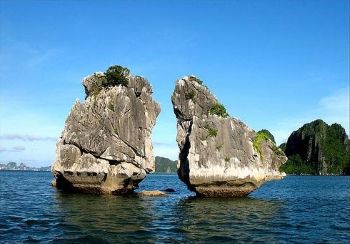
Grand Vietnam
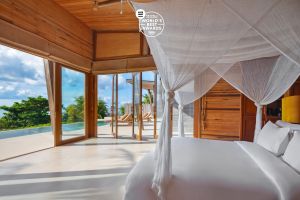
Vietnam Luxury Tour 16 Days
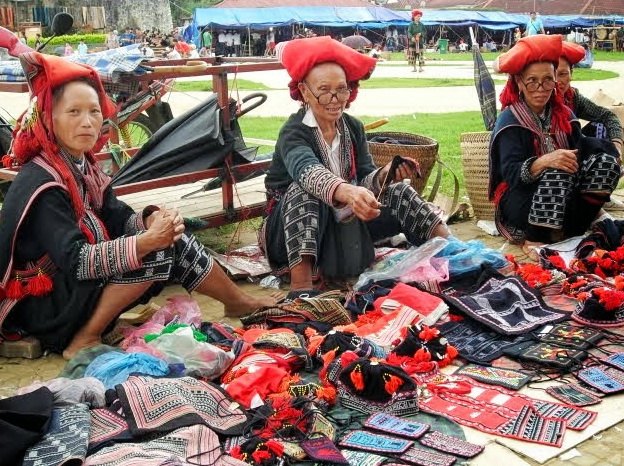
Highlight of Sapa Market Tour
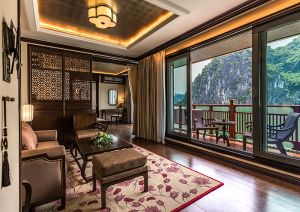
Luxury Tour of The World Heritages and Beach Vacation
Vietnam Signature
Vietnam Christmas Holiday Package 2026

Highlights of Vietnam and Mekong River Cruise
Choose your holiday style
Go wild, go slow, go smooth, go solo - an adventure is what you make of it.
Most Popular Tour Destinations in Vietnam
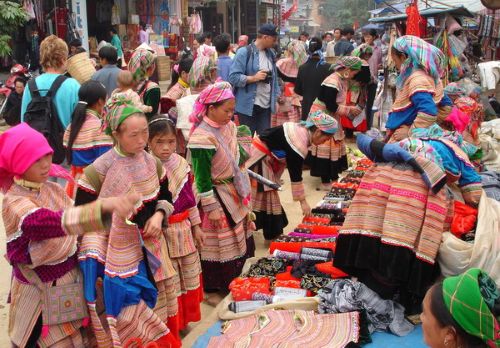
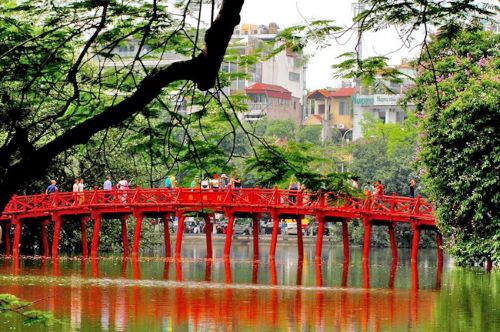
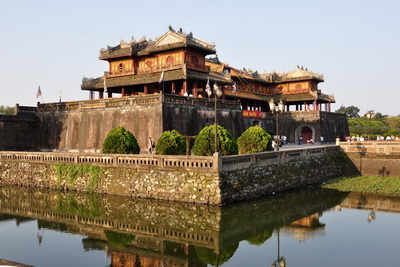
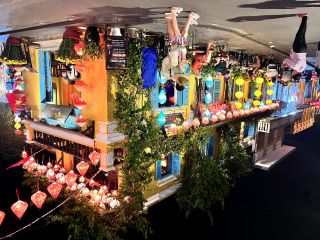
Vietnam Travel Guides
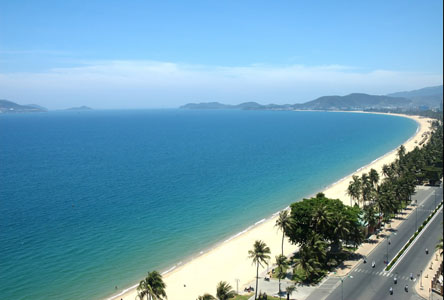
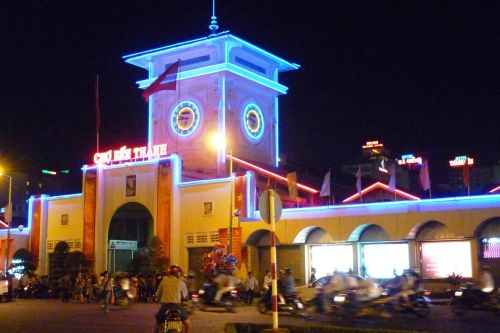
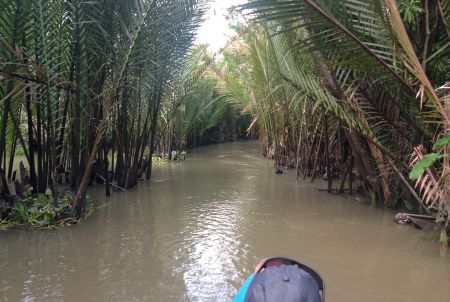
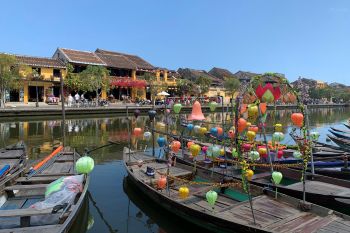
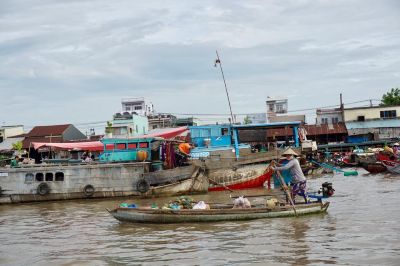
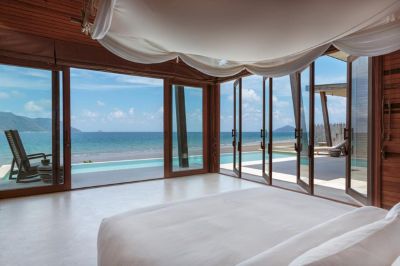
Welcome to our Vietnam Travel Guide, your gateway to exploring a country of breathtaking beauty and timeless charm. From the emerald waters of Ha Long Bay and the bustling streets of Hanoi to the lantern-lit tranquility of Hoi An, Former Capital of Hue, bustling Ho Chi Minh City, life on the river in Mekong Delta with a maze of River Network and beautiful beaches in Phu Quoc Island, Nha Trang, Phan Thiet, Da Nang... This travel guide also provides you all information about accommodations, culinary, best places to visit, all you need to know when travelling to Vietnam.
Frequently Asked Questions
Everything you need to know before your trip.
- Visa Exemption: Citizens of 24 countries (including the UK, France, Germany, Italy, Spain, Japan, South Korea, Russia, and several Nordic nations) can enter Vietnam visa-free for up to 45 days.
- E-Visa: Citizens of all other countries can easily apply online for a Vietnam E-visa, valid for up to 90 days with single or multiple entries.
If you are unsure about your specific visa rules, the WaytoVietnam team is always here to check and assist you with hassle-free guidance!