
-
Vietnam tours
VietNam Tour Packages
- South East Asia Tours
- Cruises
- Request a quote


Vietnam Tourist Attractions
Beyond Vietnam’s major destination hubs, the country is filled with remarkable landmarks, cultural sites, historic places and natural attractions. Our guide to Vietnam tourist attractions features specific places worth visiting, from Hanoi’s Hoan Kiem Lake and Temple of Literature to Hoi An’s Japanese Covered Bridge, Hue Imperial Citadel, Cu Chi Tunnels near Ho Chi Minh City, and Cai Rang Floating Market in the Mekong Delta. You will also find natural attractions such as Paradise Cave, Trang An and Muong Hoa Valley, each offering a different glimpse into Vietnam’s landscapes, history and local culture. Browse the attractions below to discover what makes each place special and find useful information for planning your visit.
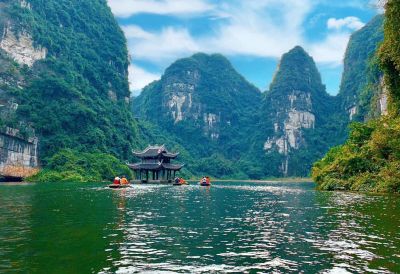
Trang An Landscape Complex
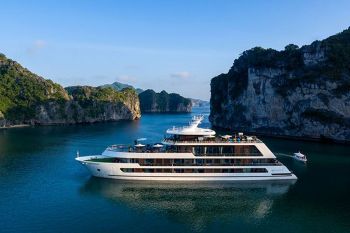
Trang An Landscape Complex is located in Ninh Binh Province, about 100kms south east of Hanoi. Trang An Landscape Complex covers an area of 6,172ha in districts of Hoa Lu, Gia Vien, Nho...
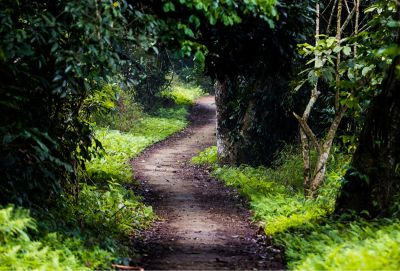
Cuc Phuong National Park
Cuc Phuong National Park is mainly located in Ninh Binh Province, the rest located in neighbour provinces Hoa Binh and Thanh Hoa. It's the first National Park in Vietnam with a large...
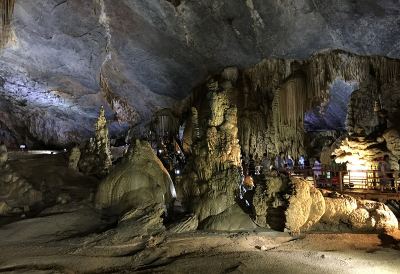
Paradise Cave
Paradise Cave or Thien Duong Cave was discovered by a local man in 2005 in Phong Nha-Ke Bang National Park, 60 kms northwest of Đong Hoi City. Paradise Cave is 31 km long located on an ...
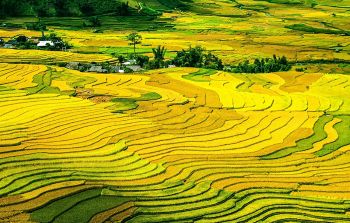
Muong Hoa Valley in Sapa
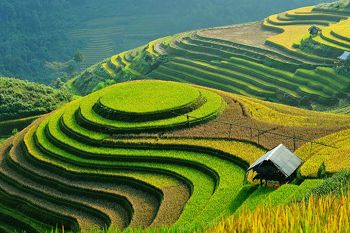
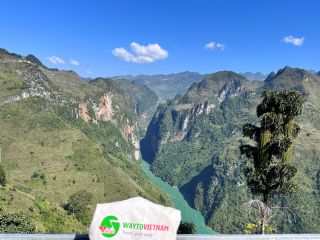
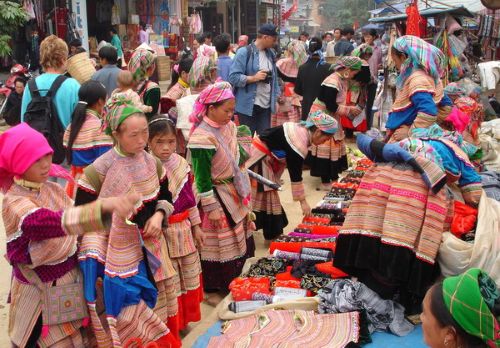
Muong Hoa valley is one of the most beautiful places in Sapa, It's about 4 kms from Sapa Center and stretching about 15 kms to Ban Ho Village, There are five main villages on this Valley...
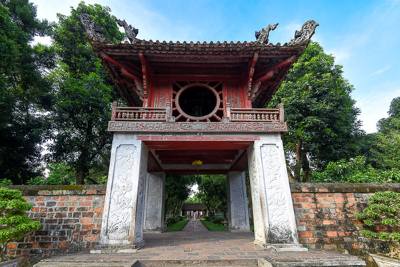
Temple of Literature
Temple of Literature or Van Mieu Quoc Tu Giam is a temple dedicated to Confucius in Hanoi Capital, Vietnam. The temple also hosts the Imperial Academy, Vietnam's first national...
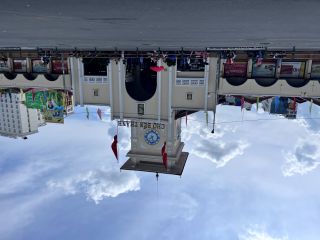
Ben Thanh Market
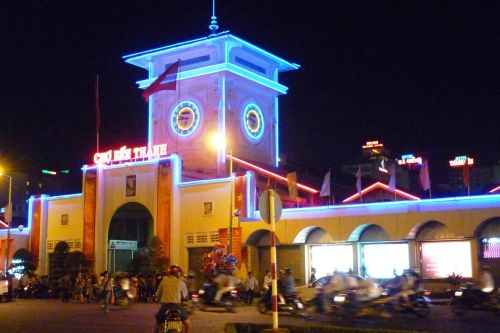
Ben Thanh Market is located in the center of Ho Chi Minh City, Vietnam in Ben Thanh Ward, District 1. The market is one of the earliest surviving structures in Saigon and an important symbol...
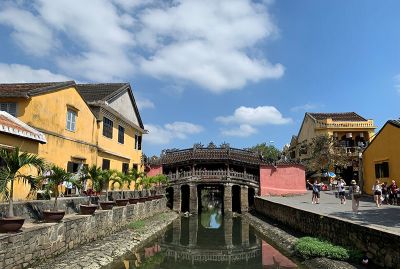
Japanese Covered Bridge
Japanese Covered Bridge was built in 1590s by Japanese Businessmen living in Hoi An. It's located in the Center of Hoi An Ancient Town, connecting Tran Phu and Nguyen Thi Minh Khai...
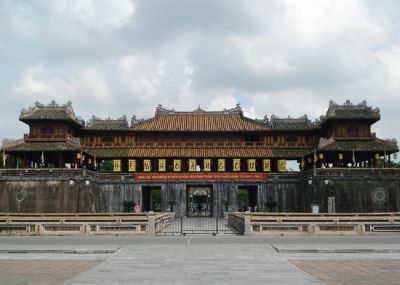
Hue Imperial Citadel
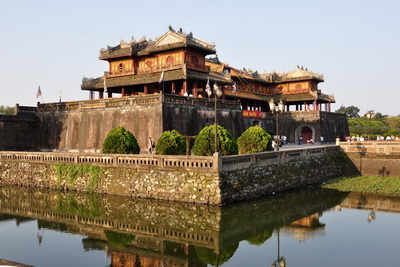
Hue Imperial Citadel is situated on the Northern bank of the Perfume River. With an area of 500ha and a system of three circles of ramparts, namely from outside to inside: Kinh Thanh Hue...
Vietnam Travel Guides
Frequently Asked Questions
Some of the most popular tourist attractions in Vietnam include Hoan Kiem Lake and the Temple of Literature in Hanoi, the Japanese Covered Bridge in Hoi An, Hue Imperial Citadel, Cu Chi Tunnels near Ho Chi Minh City, Trang An and Tam Coc in Ninh Binh, and Cai Rang Floating Market in the Mekong Delta. Each offers a different perspective on Vietnam’s history, culture, landscapes, or local life.
Vietnam has many historical and cultural attractions, including the Temple of Literature and Hoan Kiem Lake in Hanoi, Hue Imperial Citadel, the Japanese Covered Bridge in Hoi An, and Cu Chi Tunnels near Ho Chi Minh City. These sites offer insights into Vietnam’s imperial history, traditional culture, architecture, and more recent history.
Vietnam offers a wide range of natural and local attractions, from Trang An, Tam Coc, Paradise Cave, and Muong Hoa Valley to Cai Rang Floating Market in the Mekong Delta. These places showcase the country’s limestone landscapes, mountains, rivers, caves, traditional markets, and everyday local life.
The time needed depends on the type and size of the attraction. Many individual landmarks and cultural sites can be explored in around 1 to 2 hours, while larger sites such as Hue Imperial Citadel, Cu Chi Tunnels, or Trang An may require several hours. When planning your itinerary, allow extra time for transportation between attractions and for guided activities such as boat trips.
The easiest way is to combine attractions that are close to each other. For example, in Hanoi, Hoan Kiem Lake, the Temple of Literature, and the Vietnam Museum of Ethnology can be visited as part of a city sightseeing plan. In Hoi An, the Japanese Covered Bridge can be combined with the historic streets, old houses, assembly halls, and local markets of the Ancient Town. Grouping nearby attractions helps reduce travel time and leaves more time for sightseeing.