
-
Vietnam tours
VietNam Tour Packages
- South East Asia Tours
- Cruises
- Request a quote

Ho Chi Minh City
Ho Chi Minh City Travel Guide: Essential Sights, Food & Local Tips
Ho Chi Minh City, still widely known as Saigon, is Vietnam’s largest city and one of the country’s main economic and commercial centers. It is a busy, fast-changing place, where modern buildings and historic landmarks stand alongside local markets, old neighborhoods, and the everyday street life that gives Saigon its character.
There is plenty to explore, from the War Remnants Museum, Independence Palace, and Central Post Office to Ben Thanh Market and the historic streets of Cho Lon. Food is central to daily life here — whether it is a steaming bowl of banh canh cua, a street-side banh mi, or the simple pleasure of sipping an iced coffee on a small plastic chair as the city flows by. In the evening, the city takes on a different pace, with riverside cruises, live music, rooftop bars, and streets that stay lively well into the night.
This Ho Chi Minh City travel guide brings together the essential sights, local food, nightlife, transportation, and practical tips to help you plan your stay, along with ideas for exploring beyond the city to the Cu Chi Tunnels and the Mekong Delta.
Quick Saigon Travel Overview
| Best Time to Visit: | December to April (Dry Season) |
| Recommended Stay: | 2 – 3 Days |
| Top Attractions: | War Remnants Museum, Independence Palace, Ben Thanh Market, Cu Chi Tunnels |
| Must-Try Food: | Banh Mi, Pho, Banh Canh Cua, Vietnamese Iced Coffee (Ca Phe Sua Da) |
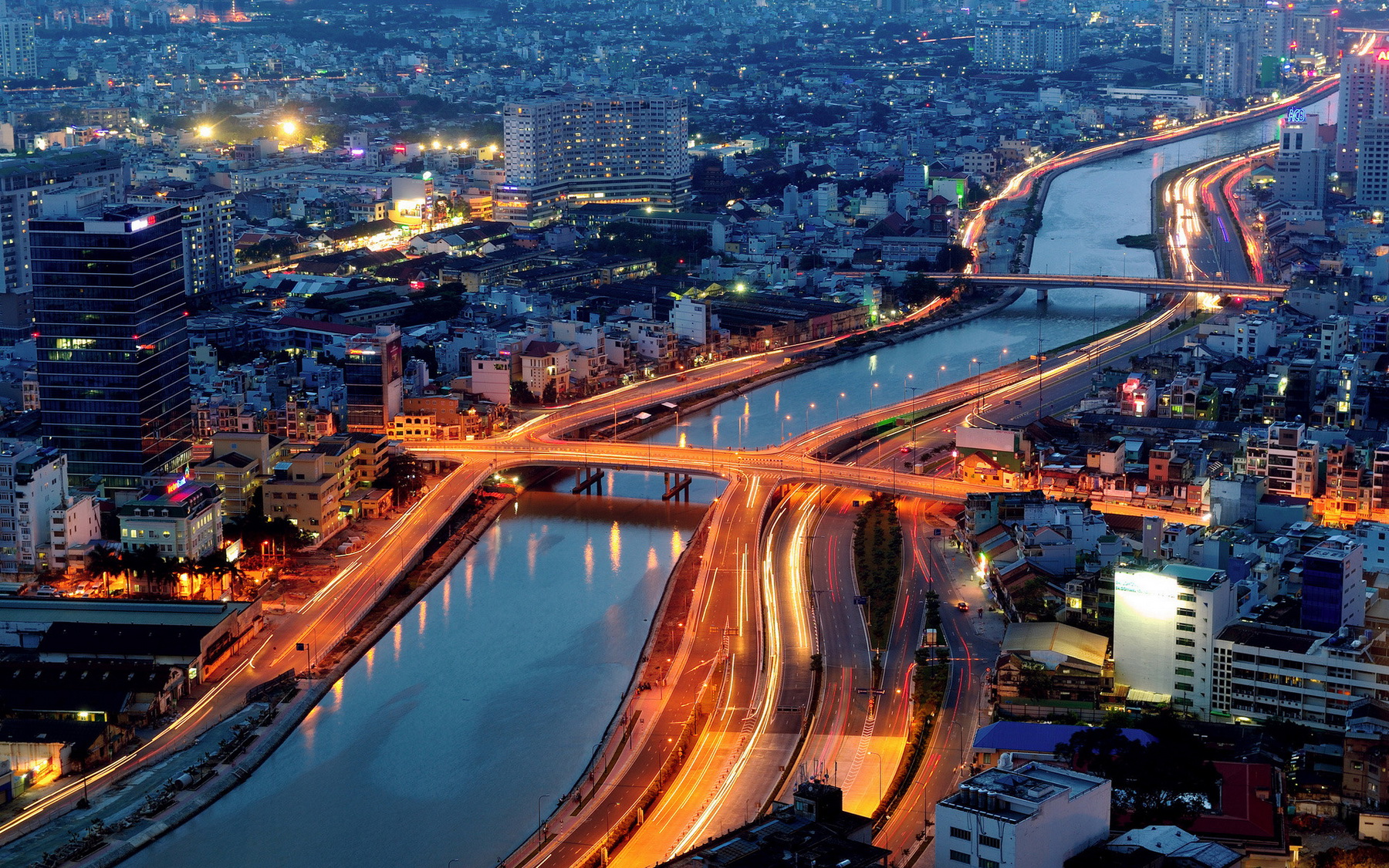
Area: 6,772.59 km²
Subdivisions: 113 wards, 54 communes, and one special administrative zone
Population: 14 million (2026)
Area code: 028
Geography
Ho Chi Minh City is located in southern Vietnam, about 1,700 km (1,060 mi) south of Hanoi. Following the 2025 administrative merger with Binh Duong and Ba Ria–Vung Tau, the city now covers 6,772.59 km². It borders Dong Nai, Dong Thap, Lam Dong, and Tay Ninh, with the East Sea along its southern coastline.
The city stretches far beyond the traditional urban center, from the busy streets around the Saigon River to rural areas, industrial zones, and coastal landscapes. Can Gio lies at the southern edge of the city, while the former Binh Duong and Ba Ria–Vung Tau areas now form part of the same administrative territory.
For travelers, most sightseeing remains concentrated in the traditional urban core, particularly around the Saigon River and central areas such as Ben Thanh Ward and Cho Lon Ward. The wider city also offers places such as Can Gio, while its location makes Ho Chi Minh City a convenient base for exploring southern Vietnam.
Weather and Climate
Unlike Hanoi and northern Vietnam, which experience a more pronounced seasonal pattern, Ho Chi Minh City has a tropical savanna climate with warm temperatures throughout the year. The city has two main seasons: a dry season from December to April and a rainy season from May to November. Average humidity remains relatively high, typically around 78–82%.
- Dry Season (December to April): Generally sunnier and drier, making this a popular time for sightseeing and outdoor activities. December to February is usually more comfortable, while March and April can be particularly hot.
- Rainy Season (May to November): Warm and humid, with short but sometimes heavy showers, often in the afternoon or early evening. The rain does not usually last all day, but heavy downpours can affect traffic and outdoor plans, so carrying a small umbrella is useful.
Ethnic Groups & Cultural Diversity
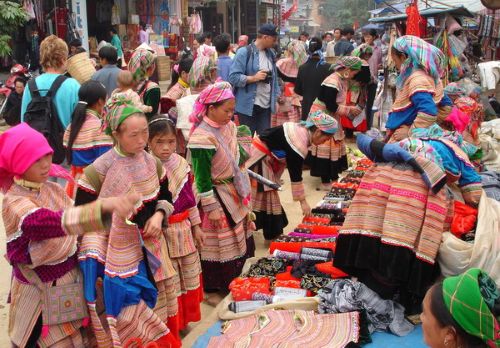
Ho Chi Minh City is home to people from many different ethnic and cultural backgrounds, although the Kinh ethnic group makes up the clear majority of the population. The Hoa community has played an important role in the city's history and commerce for generations, particularly in Cho Lon, the historic Chinese-influenced area of the city.
The city's expanded boundaries now also include areas with communities of Khmer, Chơ Ro, and other ethnic groups, reflecting the wider cultural diversity of southern Vietnam. The former Binh Duong and Ba Ria–Vung Tau areas have their own long-established communities and traditions, adding another layer to the cultural character of today's Ho Chi Minh City.
For visitors, this diversity is easiest to experience through the city's neighborhoods, markets, temples, food, and everyday street life. Cho Lon, in particular, offers a distinct atmosphere from the modern center, with its vibrant Chinese-influenced architecture, traditional medicine shops, ancestral temples, and exceptional local street food.
Transportation
By Air:
- Tan Son Nhat International Airport (SGN) is Ho Chi Minh City’s main airport and one of Vietnam’s busiest, serving both domestic and international flights. It is located about 7 km from the city center, making it relatively convenient for travelers arriving in or departing from Ho Chi Minh City.
- Long Thanh International Airport, about 40 km east of the city center in Dong Nai Province, is being developed to handle a large share of future international and domestic air traffic. Once fully operational, it is planned to have a capacity of up to 100 million passengers per year.
By Railway:
- Saigon Railway Station is the southern terminus of Vietnam’s Reunification Express, with daily trains connecting Ho Chi Minh City to Hanoi and major destinations along the North–South railway line, including Nha Trang, Da Nang, Hue, and Vinh.
- For a more luxurious way to travel, SJourney offers a premium rail journey between Ho Chi Minh City and Hanoi, traveling through central Vietnam with curated stops in Phan Thiet, Phu Yen, Hoi An, Hue, Quang Binh, and Ninh Binh.
By Water:
- The Saigon River and the city’s extensive waterways connect Ho Chi Minh City with destinations across southern Vietnam. Visitors can take the Saigon Waterbus, enjoy evening dinner cruises along the skyline, or explore the waterways of the Mekong Delta.
- Following the 2025 administrative merger, Ho Chi Minh City now also includes the former Ba Ria–Vung Tau area. Vung Tau is its best-known seaside destination, easily accessible from the urban center by road or high-speed passenger boat.
By Road:
- Ho Chi Minh City serves as the primary highway hub for southern Vietnam, seamlessly connected via modern expressways such as the Ho Chi Minh City – Trung Luong Expressway toward the Mekong Delta and the Ho Chi Minh City – Long Thanh – Dau Giay Expressway leading to Dong Nai, Phan Thiet, and Vung Tau.
- Interprovincial buses and private limousine vans offer frequent daily connections. Long-distance routes to central and northern Vietnam depart from Mien Dong Bus Station (Eastern Bus Station), while Mien Tay Bus Station (Western Bus Station) is the main gateway for travel throughout the Mekong Delta.
- As a major regional crossroads, the city also offers direct cross-border bus services to Phnom Penh, Cambodia, passing through the Moc Bai International Border Gate in Tay Ninh Province. Popular bus operators depart daily from the central backpacker area, with a travel time of around 6 hours.
Getting Around the City
Getting around Ho Chi Minh City is relatively easy, although traffic can be busy during peak hours. For most visitors, a combination of ride-hailing apps, walking, the Saigon Waterbus, and Metro Line 1 is enough to explore the city.
- Ride-Hailing Apps (Xanh SM, Grab, Be): The most convenient option for short and medium trips. Among them, Xanh SM is widely favored for its high safety standards, strictly trained drivers, and 100% eco-friendly electric fleet produced by Vietnamese automaker VinFast.
- Metro Line 1 (Ben Thanh – Suoi Tien): The city's modern urban railway connects the central heritage area at Ben Thanh Station directly through the Opera House and Ba Son to Thu Duc City, providing a fast way to bypass street traffic.
- Traditional Taxis: Metered taxis like Vinasun and Mai Linh are widely available at airports, hotels, and shopping centers. Useful when traveling with luggage or in a group.
- Walking: The central historic area around Ben Thanh, Nguyen Hue Walking Street, the Central Post Office, and the riverfront is easy to explore on foot, though crossing busy streets takes a little patience.
- Saigon Waterbus: Offers a scenic and breezy ride along the Saigon River, giving visitors a different view of the city skyline.
See & Do
Ho Chi Minh City is a city best explored at different paces, from visiting its historic landmarks and museums to wandering through local markets, temples, and historic neighborhoods. You can spend the morning exploring Vietnam’s history or taking a trip to the Cu Chi Tunnels, stop for a local coffee along the way, and finish your day relaxing by the Saigon River.


War Remnants Museum
The War Remnants Museum gives visitors a detailed look at the Vietnam War through photographs, documents, military equipment, and other artifacts. Its exhibitions also cover the effects of Agent Orange and the impact of the war on Vietnamese people. Allow at least a couple of hours if you want time to see the main displays rather than simply passing through.
- Address: 28 Vo Van Tan Str, Xuan Hoa Ward
Independence Palace
Independence Palace is closely linked to one of the most important moments in modern Vietnamese history. On April 30, 1975, tanks entered the palace grounds as the war came to an end. Today, visitors can walk through the preserved reception rooms, state rooms, underground command center, and other parts of the former presidential residence.
- Address: 135 Nam Ky Khoi Nghia Str, Ben Thanh Ward
Notre-Dame Cathedral & Central Post Office
Notre-Dame Cathedral Basilica of Saigon and the Central Post Office stand next to each other in the heart of the city. The cathedral is one of Saigon's best-known French colonial landmarks, while the post office is still in use today. The post office was built between 1886 and 1891 and is worth stepping inside even if you have no letter to send.
- Address: Paris Square, Ben Nghe Ward
Ben Thanh Market
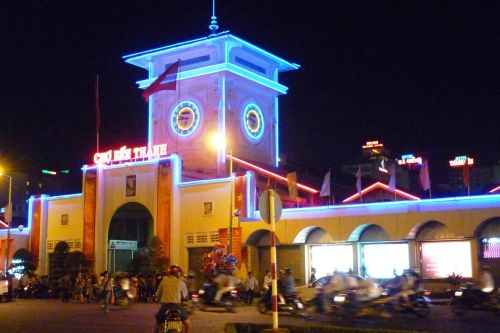
Ben Thanh Market is one of the city's most familiar landmarks and an easy stop when exploring the central area. Inside, you will find souvenirs, clothing, coffee, dried foods, snacks, and plenty of other goods. The market is worth visiting for the atmosphere as much as the shopping, and it is a good place to practice your bargaining skills when buying souvenirs.
- Address: Le Loi Str, Ben Thanh Ward
Cho Lon
Cho Lon is the historic Chinese-influenced area of Ho Chi Minh City and feels quite different from the modern center. Take time to explore Binh Tay Market, traditional temples, Chinese medicine shops, and the local food scene. Walking through the older streets is one of the best ways to see the Chinese-Vietnamese influence that has shaped this part of Saigon for generations.
- Area: An Dong, Cho Lon, and Binh Tay Wards
Landmark 81
Standing 461.2 meters tall, Landmark 81 is Vietnam’s tallest building and one of Asia’s tallest skyscrapers. Located beside the Saigon River, the 81-story tower is the centerpiece of Vinhomes Central Park, with a large shopping area, restaurants, cafés and bars overlooking the city. Visitors can also enjoy panoramic views from the observation deck, making Landmark 81 a popular place to visit around sunset and after dark, when Ho Chi Minh City’s skyline lights up.
- Address: 720A Dien Bien Phu Street, Thanh My Tay Ward, Ho Chi Minh City, Vietnam.
Bui Vien Street
Bui Vien Street is one of Ho Chi Minh City’s most lively and well-known streets, particularly after dark. Located in the heart of Ben Thanh Ward, the pedestrian area is lined with bars, pubs, cafés, street food stalls and casual restaurants, attracting both locals and international visitors. It is a lively place to experience the energetic side of Saigon, especially in the evening and at weekends.
- Address: Bui Vien Street, Ben Thanh Ward, Ho Chi Minh City, Vietnam.
Cu Chi Tunnels
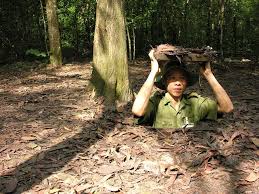
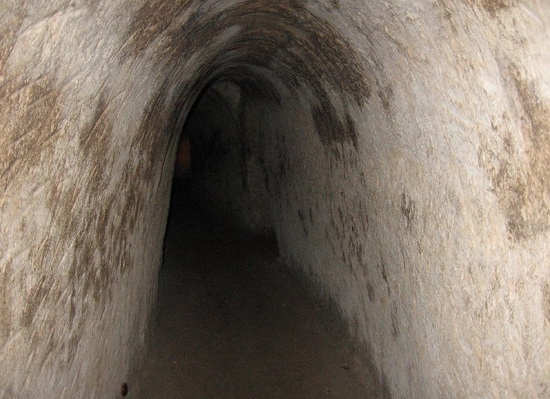
The Cu Chi Tunnels are an extensive underground network used by Vietnamese forces during the wars. The tunnels included living areas, storage rooms, meeting spaces, medical facilities, and military installations. Located outside the main urban area, they make one of the most popular half-day trips from Ho Chi Minh City.
- Address: Phu Hiep Hamlet, An Nhon Tay Commune
Vinh Nghiem Pagoda
Vinh Nghiem Pagoda is one of the better-known Buddhist temples in Ho Chi Minh City. Built in the 1960s, the complex includes a large ceremonial hall, a three-arched gate, and a tall pagoda tower. It is a peaceful place to spend some time away from the traffic and crowds of the central streets.
- Address: 339 Nam Ky Khoi Nghia Str, Xuan Hoa Ward
Saigon River
The Saigon River runs through the city and is an easy way to see Ho Chi Minh City from a different angle. You can take the Saigon Waterbus, walk along the waterfront, or join an evening dinner cruise when the city lights begin to come on.
- Address: Bach Dang Wharf, Ton Duc Thang St, Ben Nghe Ward
Suoi Tien Theme Park
Suoi Tien is a large theme park with rides, water attractions, gardens, and displays inspired by Vietnamese legends and culture. It is a good option for families or anyone looking for something different from the city's museums and historic landmarks.
- Address: 120 Hanoi Highway, Tang Nhon Phu Ward
Dam Sen Cultural Park
Dam Sen is a long-established leisure park with gardens, rides, water attractions, and activities for families. With plenty to do in one place, it can be a good choice for a day out with children, particularly if you want a break from sightseeing in the city center.
- Address: 3 Hoa Binh Str, Binh Thoi Ward
Mekong Delta
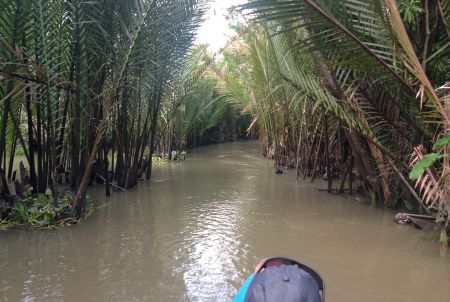
The Mekong Delta is one of the easiest ways to experience life beyond Ho Chi Minh City. Day trips can take you along small canals and waterways, through fruit orchards and villages, and to local markets. If time allows, staying overnight gives you a chance to see more of the delta without rushing back to the city.
Eat & Drink
Ho Chi Minh City is one of Vietnam’s best cities for food, from simple street stalls and neighborhood cafés to long-established local restaurants and evening dining along the Saigon River. Southern flavors are often a little sweeter, while the city’s food scene also reflects influences from across Vietnam and the Chinese-Vietnamese community in Cho Lon.
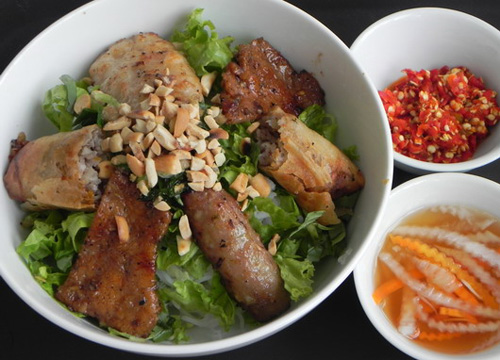
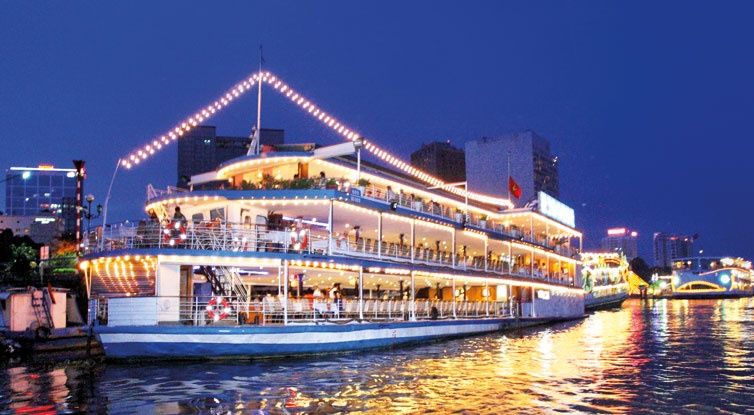
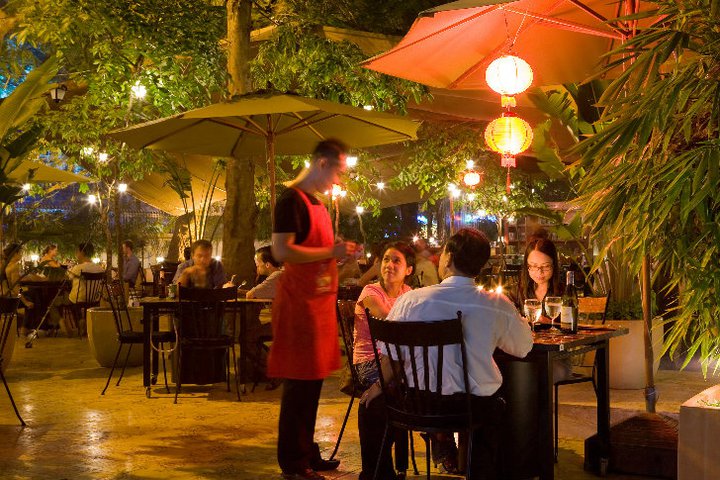
Bun Thit Nuong (Grilled Pork with Rice Vermicelli)
A southern Vietnamese favorite made with grilled marinated pork, rice vermicelli, fresh herbs, pickled vegetables, peanuts, and fish sauce. It is an easy dish to try on a warm day and a familiar part of everyday food in Saigon.
- Where to try: Bun Thit Nuong Sister Tuyen – 195 Co Giang Str, Cau Ong Lanh Ward
Pho Saigon (Southern-Style Pho)
Pho tastes a little different in southern Vietnam, with a slightly sweeter broth and plenty of fresh herbs, bean sprouts, and sauces served on the side. Pho Hoa Pasteur is one of the city's long-established places to try this southern style.
- Where to try: Pho Hoa Pasteur – 260 Pasteur Str, Xuan Hoa Ward
Dong Hoa Xuan Restaurant
Away from the busiest tourist streets, Dong Hoa Xuan is a good option for a more relaxed Vietnamese meal. The menu focuses on traditional home-style dishes and is a chance to sit down and enjoy a slower meal away from the city's main sightseeing areas.
- Where to try: 49 No Trang Long Str, Binh Thanh Ward
Banh Canh Cua (Thick Crab Noodle Soup)
Banh canh cua combines thick, chewy noodles with crab, a savory broth, and other toppings. It is a filling local dish that works particularly well after a long day exploring the city.
- Where to try: Banh Canh Cua 87 – 87 Tran Khat Chan Str, Tan Dinh Ward
Banh Trang Tron (Mixed Rice Paper)
A popular Saigon snack made with strips of rice paper, green mango, beef jerky, quail eggs, herbs, and a tangy dressing. It is often sold at small street stalls and is especially popular with younger locals.
- Where to try: Banh Trang Tron Chu Vien – 38 Nguyen Thuong Hien Str, Ban Co Ward
Barbecue Garden
Barbecue Garden is a casual choice for an evening meal with friends, with grilled meats, seafood, vegetables, and drinks in an open-air setting. It is a good option when you want something relaxed after a day of sightseeing.
- Where to try: 135A Nam Ky Khoi Nghia Str, Ben Thanh Ward
Saigon River Dinner Cruises
An evening cruise on the Saigon River combines dinner with views of the city after dark. Depending on the cruise, guests can enjoy Vietnamese or international dishes, live music, and views of the illuminated skyline.
- Departure point: Nha Rong Wharf – 5 Nguyen Tat Thanh Str, Xom Chieu Ward
For more dining options, see our Restaurants in Ho Chi Minh City guide.
NIGHTLIFE - Bars and cafes
Ho Chi Minh City stays lively after dark, with everything from historic rooftop bars and live music venues to cocktail lounges and quiet tea houses. Whether you want to enjoy the skyline, listen to live music, meet other travelers, or simply relax with a drink, there are plenty of ways to spend an evening in Saigon.

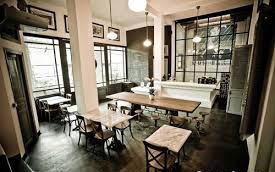

Chill Skybar
Set on the 26th floor of AB Tower, Chill Skybar is one of the city's best-known rooftop venues. It offers wide views across the Saigon skyline, along with cocktails, dining, and a lively lounge atmosphere.
- Add: AB Tower, 76 Le Lai St, Ben Thanh Ward
EON Heli Bar
Set on the 52nd floor of Bitexco Financial Tower, EON Heli Bar offers panoramic views over central Saigon. It is a good place for an evening drink, with cocktails, live music, and a relaxed atmosphere high above the city.
- Add: 52nd Floor, Bitexco Financial Tower, 2 Hai Trieu St, Ben Nghe Ward
Saigon Saigon Rooftop Bar
Located at the Caravelle Saigon, this historic rooftop bar has been part of the city's nightlife since 1959. Its relaxed setting, live music, and views over Lam Son Square and the Opera House make it a popular choice for an evening drink.
- Add: 9th Floor, Caravelle Saigon, 19 Lam Son Square, Ben Nghe Ward
Rooftop Garden Bar at Rex Hotel
The Rex Hotel rooftop became a gathering place for international correspondents and military personnel during the 1960s and was associated with the wartime press briefings known as the “Five O'Clock Follies.” Today, it remains a classic open-air spot for drinks overlooking the center of the city.
- Add: 5th Floor, Rex Hotel, 141 Nguyen Hue Blvd, Ben Thanh Ward
2 Lam Son
Located at Park Hyatt Saigon, 2 Lam Son offers a polished setting for cocktails and evening drinks. Its contemporary design incorporates subtle Vietnamese touches, making it a quieter alternative to the city's busier nightlife spots.
- Add: Park Hyatt Saigon, 2 Lam Son Square, Ben Nghe Ward
The Lighthouse
The Lighthouse is a popular choice for electronic music, with a rooftop terrace and an intimate indoor space. The venue hosts local and international DJs playing deep house, techno, and disco.
- Add: 104 Nam Ky Khoi Nghia St, Ben Nghe Ward
Carmen Bar
Carmen Bar is known for live music, particularly acoustic guitar, Latin, and Flamenco performances. Its stone-walled setting and courtyard make it a relaxed place to spend an evening with friends.
- Add: 8 Ly Tu Trong St, Ben Nghe Ward
Apocalypse Now
One of Saigon's longest-running nightlife venues, Apocalypse Now has been a familiar name in the city's late-night scene for decades. Known as “Apo” to regulars, it offers a casual atmosphere with music, dancing, and a mix of international visitors and locals.
- Add: 2B Thi Sach St, Ben Nghe Ward
Pub Crawl Saigon & Bui Vien Street
Bui Vien is one of the busiest nightlife streets in Ho Chi Minh City, lined with outdoor bars, pubs, street food, and late-night entertainment. Joining a local pub crawl is another way to meet other travelers and explore the area after dark.
- Add: Bui Vien St, Pham Ngu Lao Ward
Tinh Tra Quan (Tinh Tea House)
For a quieter evening, Tinh Tra Quan focuses on traditional Vietnamese tea in a green and intimate setting. It offers a welcome change from the noise and crowds of the city's main nightlife areas.
- Add: 44 Road No. 8, Linh Trung Ward
For travelers looking to explore more of Saigon's nightclubs and late-night party scene, see our detailed guide to the Best Nightclubs in Ho Chi Minh City.
Updated by WaytoVietnam Travel Specialist – August 2026
Frequently Asked Questions
- For backpackers and budget-conscious travelers, the Bui Vien area is a lively choice, known for its affordable accommodation, casual eateries, bars, and late-night entertainment. It is considerably more energetic and crowded than the upscale central areas, so travelers looking for a quieter or more refined stay will generally find the area around Nguyen Hue and Dong Khoi a better fit.
Vietnam Travel Guides
Recommended Tours
Related articles
Recommended Tours