
Mekong Delta
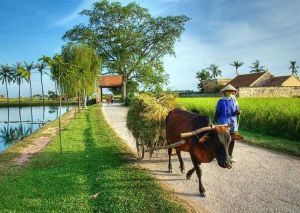
The Mekong Delta (locally known as Đồng bằng Sông Cửu Long or Miền Tây) is a vast region in southwestern Vietnam. Often called the country's "rice bowl," the delta is a maze of rivers and canals, with rice paddies, fruit orchards and floating markets forming an essential part of life here. Historic Khmer pagodas and quiet riverside villages add to the region's cultural diversity, while its extensive waterways continue to play an important role in everyday life.
Mekong Delta at a Glance
Best Time to Visit: November to April (Dry season with comfortable weather and pleasant boat trips)
Ideal Duration: 2–3 Days
Must-Try Foods: Hu Tieu My Tho, Elephant Ear Fish, Mekong Pancakes (Banh Xeo), Claypot Snakehead Fish, fermented fish noodle soup
Top Highlights: Cai Rang Floating Market, Ben Tre Coconut Groves, Tra Su Cajuput Forest, Binh Thuy Ancient House, Sam Mountain
Recommended For: River cruises, eco-tourism, cultural experiences, countryside cycling, and local gastronomy
Area: 36,426.97 km² (14,064.5 sq mi)*
Population: 20.39 million*
Population Density: ~559/km²*
*Based on the combined area and population of the five current administrative units covering the Mekong Delta region.
Geography
Located in southwestern Vietnam, the Mekong Delta lies immediately west of Ho Chi Minh City and stretches from the areas around My Tho and Ben Tre in the east to Chau Doc and the Cambodian border in the northwest, extending south to Ca Mau at the southernmost tip of the country. The region also includes Phu Quoc and other islands in the Gulf of Thailand.
The delta is characterized by flat, fertile floodplains shaped by sediment carried downstream by the Mekong River and its tributaries over thousands of years. Its landscape of rivers, canals, rice fields, and orchards gradually gives way to wetlands and mangrove forests toward the coast. Notable natural areas include U Minh National Park in Ca Mau and Tra Su Cajuput Forest in An Giang, highlighting the region's diverse wetland ecosystems.
Following Vietnam's 2025 administrative reorganization, the Mekong Delta is now covered mainly by the newly established Can Tho City, Vinh Long Province, Dong Thap Province, An Giang Province, and Ca Mau Province. These new administrative boundaries bring together many of the region's best-known destinations, from Can Tho and the former provinces along the Tien and Hau Rivers to Chau Doc, Phu Quoc, and the southern wetlands of Ca Mau.
Weather & Climate in the Mekong Delta
The Mekong Delta has a warm tropical monsoon climate throughout the year, with temperatures generally ranging from around 25°C to 32°C (77°F–90°F). The region has two main seasons, with rainfall and water levels varying somewhat between inland and coastal areas.
- Dry Season (November to April): Generally the most comfortable time to visit, with less rainfall, plenty of sunshine and relatively lower humidity. These conditions are well suited to river trips, countryside cycling and early-morning visits to floating markets.
- Rainy Season (May to October): Regular showers and thunderstorms are common, often occurring in the afternoon, although rain does not usually last throughout the entire day. The countryside becomes especially green during these months, while tropical fruits are abundant in many parts of the delta.
- Floating Season (September to November): Known locally as mùa nước nổi, this seasonal rise in water levels is particularly noticeable in parts of An Giang and Dong Thap. Flooded fields, waterways and wetlands take on a different character, making this an interesting period for exploring the delta's seasonal landscapes and wetland ecosystems.
Getting to the Mekong Delta
Located just southwest of Ho Chi Minh City (Saigon), the Mekong Delta is easily accessible by road, air, and waterways. Whether you are taking a day trip, embarking on an overnight cruise, or traveling onward to Cambodia, there are several convenient transit options:
- By Road (Expressway, Private Car, Bus & Motorbike): Road travel is the most popular way to reach the delta. Private transfers and limousine buses from Ho Chi Minh City to key hubs like My Tho or Ben Tre take around 1.5 to 2 hours, while reaching Can Tho City typically takes about 3 hours depending on traffic. For adventurous travelers, riding a motorbike from Ho Chi Minh City is also a flexible and unique way to explore at your own pace.
- By Air: Can Tho International Airport (VCA) serves as the primary air gateway to the region. It offers direct domestic flights from major cities like Hanoi and Da Nang, making it easy for travelers to start their Mekong exploration directly in the heart of the delta.
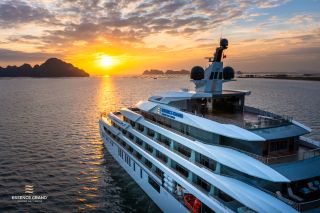
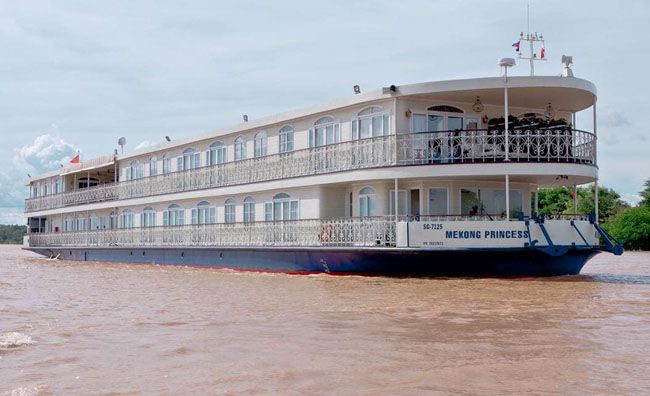
- By River Cruise & Speedboat: For a more scenic journey, multi-day river cruises operate between Cai Be, Can Tho, and Chau Doc. Luxurious overnight wooden sampans and boutique cruise ships offer a peaceful way to explore the region's heartland away from the main roads.
- Cross-Border Travel to/from Cambodia: The Mekong Delta serves as a natural gateway between Vietnam and Cambodia. Daily speedboats run along the Mekong River between Chau Doc and Phnom Penh (taking around 5 hours). Overland border crossings are also available via Ha Tien (connecting to Kampot and Kep) or Tinh Bien.
Getting Around the Mekong Delta
Getting around the Mekong Delta is relatively easy, although the best option depends on where you are going and how much time you have. Buses and private cars are practical for traveling between towns, while bicycles and motorbikes are better suited to exploring the countryside. With rivers and canals forming such an important part of the region, boats also offer a good way to reach villages, orchards and waterways beyond the main roads.
- By Intercity Bus & Limousine: Intercity buses connect most of the main towns and cities across the Mekong Delta, including Can Tho, Ben Tre, My Tho and Chau Doc. Well-known operators such as FUTA Bus Lines (Phuong Trang) offer sleeper buses and limousine services between major destinations. Private cars offer more flexibility if you want to stop at local markets and countryside attractions along the way.
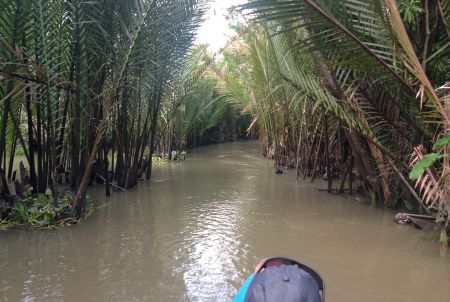
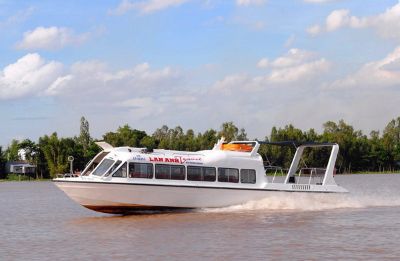
- By Boat and Sampan: Waterways are central to life in the Mekong Delta. Larger motorboats operate on wider rivers and take visitors to iconic spots like the Cai Rang Floating Market, while smaller wooden sampans are better suited to narrow canals and quieter waterways. Boat trips are particularly common around Can Tho, Ben Tre and Cai Be, where canals lead through coconut groves and riverside communities.
- By Bicycle and Motorbike: The mostly flat terrain makes the Mekong Delta well suited to cycling, particularly around villages and fruit orchards. Motorbikes offer greater freedom for experienced riders to explore rural backroads. However, if you are not confident riding a motorbike in Vietnam, cycling or private transport may be a more comfortable choice.
- By Xe Lôi and Local Tuk-Tuks: Three-wheeled vehicles, locally known as xe lôi, and motorized tuk-tuks can still be found in parts of the Mekong Delta, particularly around An Giang, Chau Doc and smaller rural communities. When available, a short ride in these open-sided vehicles is a simple way to experience a traditional form of local transport.
- By Taxi and Ride-Hailing Apps: Traditional taxis, including Mai Linh and Vinasun, and ride-hailing apps such as Grab are widely available in larger urban centers like Can Tho and My Tho for short city trips. For travelers staying in smaller towns or rural areas, it is best to arrange transportation in advance through your hotel or local travel provider.
Top Things to See & Do in the Mekong Delta
The Mekong Delta is a region of rivers, canals, floating markets, tropical fruit orchards and wetlands. Each part of the delta has its own character, from the coconut-lined waterways of Ben Tre to the early-morning floating markets of Can Tho. If you only have one or two days, focus on My Tho or Ben Tre from Ho Chi Minh City. With more time, add Can Tho, Chau Doc or the southern wetlands around Ca Mau.
Can Tho – The Delta's Main Urban Hub: Can Tho is one of the Mekong Delta's main urban centers and a convenient base for combining river experiences with historic sights and countryside excursions.
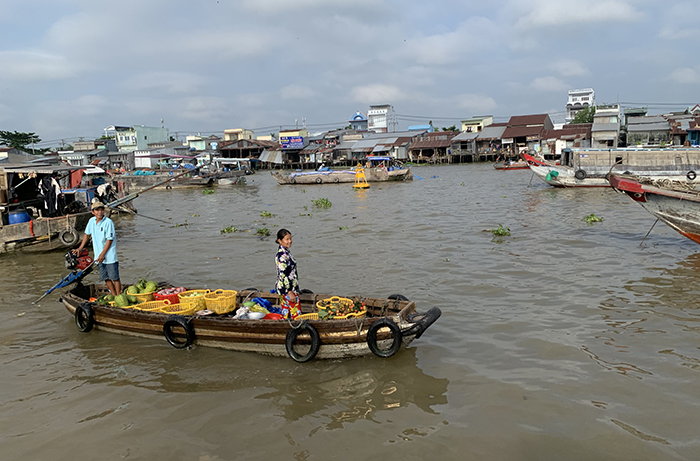
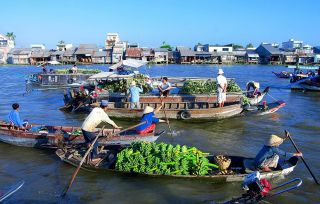
- Cai Rang Floating Market: One of the region's best-known floating markets, where boats gather in the early morning to trade fresh fruit, vegetables and local food. Arrive early by boat to see the market at its busiest, before trading activity gradually slows. The best time to visit is between 5:00 and 7:00 AM, when trading activity is at its peak. Savoring a hot bowl of Hu Tieu served directly from a floating noodle boat is an unforgettable experience you shouldn't miss.
- Binh Thuy Ancient House: Built in 1870, this well-preserved house combines French and Asian architectural influences and offers a glimpse into the life of a wealthy local family in the late 19th century.
- Truc Lam Phuong Nam Zen Monastery: One of the largest Buddhist monasteries in the Mekong Delta, featuring architecture inspired by the Ly and Tran dynasties and peaceful landscaped grounds.
Chau Doc & An Giang – Culture & Wetlands: Located near the Cambodian border, Chau Doc has a distinct cultural character shaped by Vietnamese, Khmer and Cham communities, as well as a landscape of rivers, rice fields and wetlands.
- Tra Su Cajuput Forest: A large wetland forest where visitors can travel by small boat through narrow waterways surrounded by cajuput trees and floating vegetation. The forest is home to a wide variety of birds and other wildlife.
- Sam Mountain (Nui Sam): An important Buddhist pilgrimage site just outside Chau Doc, with temples and pagodas spread across its slopes. A climb to the higher viewpoints offers views over Chau Doc and the surrounding rice fields and waterways.
Ben Tre – Coconut Groves & Quiet Waterways: Just across the Rach Mieu Bridge from My Tho, Ben Tre is a good place to experience the quieter, rural side of the delta. Narrow canals, coconut groves and family-run workshops make the area particularly suited to countryside cycling and boat trips.
My Tho – A Convenient Gateway from Ho Chi Minh City: Located along the Tien River, My Tho is one of the closest Mekong Delta destinations to Ho Chi Minh City. It is a practical choice for travelers with limited time who want to combine a riverboat trip with visits to nearby islands, orchards and countryside communities.
Dong Thap – Birdwatching at Tram Chim National Park: Covering about 7,313 hectares, Tram Chim National Park protects an important wetland ecosystem and is home to a wide variety of waterbirds, including the Sarus Crane. Boat trips take visitors through flooded grasslands and seasonal waterways, making the park a good choice for nature lovers and birdwatchers.
Ca Mau – Southern Mangroves & Wetlands: At the southern end of Vietnam, Ca Mau is known for its mangrove forests, wetlands and extensive canal network. U Minh Ha National Park protects a distinctive cajuput forest ecosystem and offers opportunities to explore the region's southern landscapes and waterways.
What to Eat & Drink in the Mekong Delta
Food in the Mekong Delta reflects the region's rivers, orchards, coconut groves and fertile farmland. Freshwater fish, prawns, duck, coconut, rice and seasonal herbs feature heavily in local cooking. Each area has its own specialties, and trying local dishes is one of the easiest ways to experience the different sides of the delta.
Ben Tre – Coconut-Based Specialties:
- Coconut Candy (Kẹo Dừa): One of Ben Tre's best-known specialties, particularly around the coconut-growing areas of Mo Cay. The soft, chewy candy is made mainly from coconut milk, sugar and malt syrup, with flavors like durian, peanut and pandan.
- Coconut Rice (Cơm Dừa Bến Tre): Fragrant rice cooked inside a fresh coconut with coconut water and coconut milk, often served with prawns or other savory accompaniments. It has a gentle coconut aroma and a slightly rich flavor.
- Grilled Flattened Banana (Chuối Đập): A simple local street snack made by grilling green bananas over charcoal, flattening them and grilling them again until golden. It is served warm with a sweet-and-savory coconut sauce.
- Snail Bánh Xèo (Bánh Xèo Ốc Gạo Phú Đa): In the Phu Da area, freshwater rice snails are used as a filling for crispy bánh xèo, together with bean sprouts and fresh herbs.
- Sliced Rice Noodle Soup with Duck (Bánh Canh Bột Xắt Vịt): Thick, hand-cut rice noodles served with tender duck in a savory, ginger-infused broth.
Can Tho – Southern Delta Favorites:
- Snakehead Fish Grilled in Straw (Cá Lóc Nướng Trui): Whole snakehead fish grilled directly over straw, then served with rice paper, herbs and dipping sauce.
- Southern Crispy Pancake (Bánh Xèo): The southern version of bánh xèo is large, thin and crisp, made from rice flour and turmeric, filled with prawns, pork and bean sprouts, and served with sweet-and-sour fish sauce.
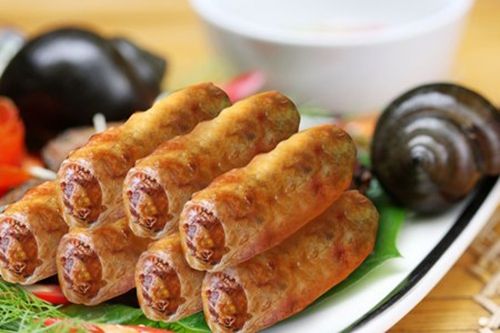
- Grilled Pork Sausage (Nem Nướng): Seasoned pork is shaped onto skewers and grilled over charcoal until fragrant. It is eaten wrapped in rice paper with fresh herbs, star fruit and dipping sauce.
Chau Doc & An Giang – Floating Season Flavors:
- Linh Fish & Sesbania Flower Hotpot (Lẩu Cá Linh Bông Điên Điển): A seasonal specialty associated with the Mekong Delta's floating season, generally from late summer into autumn. Young river fish (cá linh) are simmered in a sweet-and-sour broth alongside bright yellow sesbania flowers (bông điên điển).
- Tung Lò Mò: A traditional beef sausage associated with the Cham Muslim community around Chau Doc. Seasoned with local spices and grilled over charcoal, it has a rich, savory flavor with a distinctive tangy note.
Nightlife in the Mekong Delta
Nightlife in the Mekong Delta is generally relaxed and low-key compared with the busy evening scene in Ho Chi Minh City. In Can Tho, you will find stylish rooftop bars, riverside cafés, and live music, while Ben Tre and Chau Doc tend to have quieter evenings. For many travelers, a coffee by the river, an evening walk, or a leisurely dinner is as much a part of the experience as going to a bar.
Can Tho – The Center of Delta Nightlife:
Can Tho has the widest choice of evening entertainment in the region, centered around the lively Ninh Kieu Wharf.
- Modern Rooftop Bars (Wink Hotel Can Tho & Charmant Suites): The Wink Bar and rooftop lounge at Charmant Suites are good options for a drink with views over Can Tho and the Hau River.
- Established Skybars (Iris Skybar): Perched on the top floor of Iris Hotel, offering a sophisticated setting with sweeping city lights and a classic drink menu.
- Riverside Cafés (Amavo Caffe & Local Spots): Coffee shops around Ninh Kieu Wharf provide a simple way to experience Can Tho after dark, serving Vietnamese coffee, fresh juices, and light snacks along the illuminated promenade.
- Evening River Cruises: Dinner cruises and private evening sampan trips along the Hau River offer a scenic view of the city lights from the water.
Ben Tre – Laid-back Evenings:
Ben Tre has a much quieter nightlife scene, revolving around local restaurants, garden cafés, and neighborhood venues.
- Garden & Coffee Shops (DOM Coffee & Local Spots): Spacious cafés around the city center serving traditional drip coffee, espresso, and fresh fruit drinks after a day exploring the countryside.
- Local Bars & Lounges (New Club Ben Tre): A few late-night venues along Vo Nguyen Giap Street offer music and a more energetic social atmosphere for those looking for a nightcap.
Chau Doc – Quiet Borderland Evenings:
Chau Doc is a peaceful borderland town after dark, with activity centered around scenic hotel lounges and local culinary spots.
- Hotel Bars & Lounges (Hanh Phat Hotel Bar & Victoria Chau Doc): Top-floor hotel bars offering quiet drinks and panoramic evening views over the Hau River.
- Chau Doc Night Market: A vibrant street market near the waterfront, ideal for sampling local street food, herbal teas, and regional desserts (chè).
What to Expect
The Mekong Delta is not primarily a nightlife destination. Can Tho offers the greatest choice of evening activities, while Ben Tre and Chau Doc are better suited to quiet dinners, cafés, and riverside walks. The main appeal is the slower pace—after sunset, enjoying an evening by the river is a natural and peaceful way to end the day.
Updated by WaytoVietnam Travel Specialist – August 2026
Frequently Asked Questions
- Dry Season (November to April): Generally the easiest time for traveling, with less rain, lower humidity and comfortable conditions for countryside cycling, river trips and early-morning visits to floating markets.
- Floating Season (September to November): Known locally as mùa nước nổi, this seasonal rise in water levels is particularly noticeable in parts of An Giang and Dong Thap, when flooded fields, waterways and wetlands take on a different character.
- 1 Day: Suitable for a quick trip from Ho Chi Minh City to My Tho or Ben Tre, with a riverboat ride and a taste of the countryside.
- 2 to 3 Days: Allows you to combine destinations such as Ben Tre and Can Tho, including an early-morning visit to Cai Rang Floating Market.
- 4 to 5 Days: A better choice for exploring farther into the delta, with time for Can Tho, Chau Doc, Dong Thap and Ca Mau, as well as smaller towns, countryside stops and local experiences along the way.
Vietnam Travel Guides
Recommended Tours
Related articles
Recommended Tours