Restaurants in Vietnam

Welcome to Vietnam — a country where every city, street, and alleyway tells a story through its food.

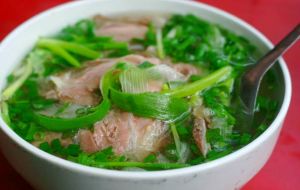
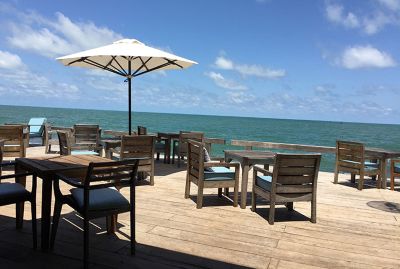
Whether you are looking for a humble street stall serving a steaming bowl of pho in Hanoi, a breezy seafood restaurant along Da Nang’s coast, a traditional family-run eatery in Hoi An, or an elegant fine dining experience in Ho Chi Minh City, discovering where to eat is an essential part of experiencing Vietnam.

Vietnam’s culinary landscape is as diverse as its geography. In the North, cuisine is known for subtle, balanced flavors and time-honored traditions. Central Vietnam brings bolder spices, rich broths, fresh seafood, and a culinary heritage shaped by the imperial city of Hue and the ancient trading port of Hoi An. In the South, dishes often feature sweeter, more tropical flavors, generous use of fresh herbs, and ingredients from the Mekong Delta. Across the country, travelers can also find an impressive choice of Asian and Western cuisine, from authentic Indian and Italian restaurants to Japanese dining, Halal options, and vegetarian/vegan-friendly places.

To help you discover the best places to eat, WayToVietnam has curated this destination-by-destination guide to restaurants in Vietnam. For travelers who want to experience Vietnamese cuisine beyond individual restaurants, our Vietnam Culinary Tours combine local food experiences with the country’s most fascinating destinations.

Vietnam Culinary Overview

WayToVietnam Guide
Category Details & Highlights
Must-Try Local Foods Pho, Bun Cha, Cao Lau, Mi Quang, Banh Xeo, Com Tam, Banh Mi, and other regional specialties
Dining Styles Street Food Stalls, Local Eateries, Family-Run Restaurants, Rooftop Bars, Coastal Seafood, Fine Dining & Michelin Guide-Selected Restaurants
Asian & Western Cuisine Vietnamese, Pan-Asian, Japanese, Korean, Indian, Italian, French, and other international dining options
Dietary Options Halal, vegetarian and vegan-friendly options are available in major tourist destinations
Top Food Destinations Hanoi, Ho Chi Minh City, Hue, Hoi An, Da Nang, Sapa, Nha Trang, Mui Ne, Mekong Delta and Phu Quoc
Read more

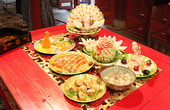
Restaurants in Phu Quoc Island

Phu Quoc seems designed with resort-dwellers in mind, so you're mostly expected to eat at your own hotel. You'll likely want to venture elsewhere at some point, if only to add a...

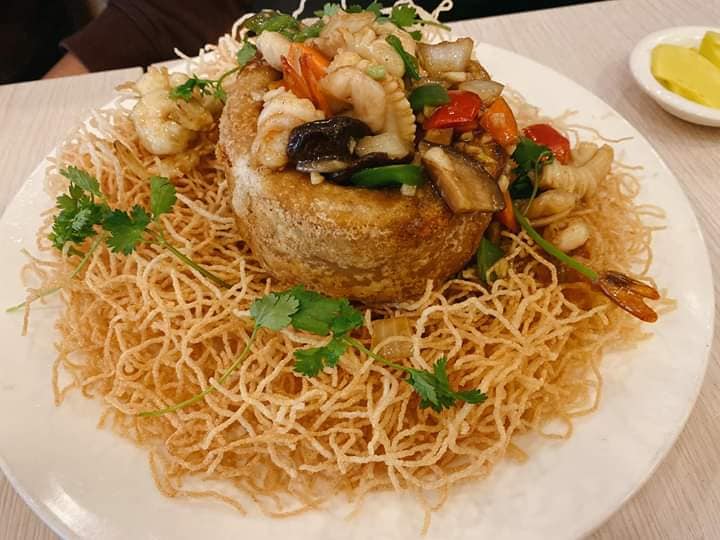
Specialities and Restaurants in Hue

Hue is renowned for its elaborate cuisines, developed by the skilled cooks of the royal court. Legend has it that the Nguyen kings, who ruled a united Vietnam from Hue in the 19th century,...

Asian restaurants in Ha Noi

The list of Asian Restaurants in Hanoi for the people Who love Asian Foods with famous cuisines of China, Thailand, India, Malaysia, Japan, Korea...

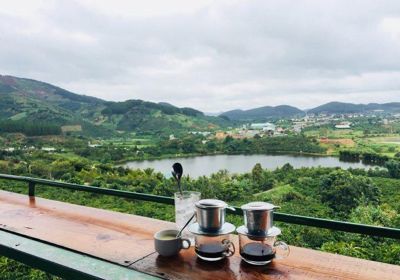
Great coffee in Dalat

If you love coffee Da Lat is one of the best places for coffees, try Thuy Ta and Thanh Thanh restaurants by Xuan Huong Lake, the coffee street on the slope going up to Hoa Binh Quarter....

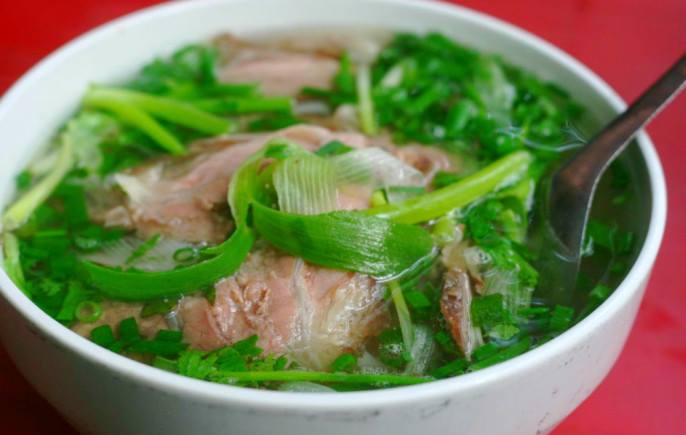
Best Pho Restaurants in Ho Chi Minh City

We have no intention of introducing all the good pho restaurants in Ho Chi Minh City. Here is the list of best Pho Restaurants in Ho Chi Minh City. These restaurants offer different kinds of...

Frequently Asked Questions

Hanoi, Ho Chi Minh City, Hoi An, and Da Nang are among the best destinations for food in Vietnam, with each offering a different culinary experience. Hanoi is famous for traditional northern dishes such as pho and bun cha, while Ho Chi Minh City has a broad choice of Vietnamese, Asian, and international restaurants. Hoi An is known for local specialties such as cao lau and mi quang, while Da Nang is particularly popular for fresh seafood and casual local eateries. Hue, Sapa, Nha Trang, Mui Ne, and Phu Quoc also offer distinctive regional food and a growing range of restaurants.

Vietnam offers restaurants for almost every taste and budget. You can eat at simple street food stalls and family-run local eateries, or choose seafood restaurants, rooftop venues, stylish cafes, and Michelin-recognized fine dining establishments. In major cities and tourist destinations, you will also find a wide range of international cuisine, including Japanese, Korean, Indian, Italian, and French restaurants. This makes it easy to combine authentic Vietnamese food with familiar international dining during your trip.

Some of the Vietnamese dishes worth trying include pho, bun cha, banh mi, banh xeo, cao lau, mi quang, hu tieu and com tam. Each region has its own specialties, so trying local dishes where they originated can make your dining experience more memorable. For example, Hanoi is well known for pho and bun cha, Hoi An for cao lau, and Central Vietnam for dishes such as mi quang and banh xeo.

Tipping is not generally expected or customary at local eateries, street food stalls, and casual restaurants. At upscale restaurants and hotel dining venues, check your bill for a service charge, which is usually around 5%–10%.

- If a service charge is already included: You are not required to tip, although leaving a small extra amount for exceptional service is always appreciated.
- If no service charge is included: A tip of around 5%–10% can be a thoughtful way to show your appreciation for good service, but it is entirely optional.

Many mid-range and upscale restaurants, hotel dining venues, and fine dining establishments in major cities accept credit cards, particularly Visa and Mastercard. Smaller local eateries, street food stalls, traditional family-run restaurants, and some cafes may accept cash only. It is therefore a good idea to carry some Vietnamese Dong (VND), especially when eating at local restaurants or traveling outside the main tourist areas.

Yes. Vegetarian and vegan-friendly restaurants, often locally marked as “Chay,” and suitable menu options are available in most major tourist destinations, particularly in Hanoi, Ho Chi Minh City, Hoi An, and Da Nang. Halal restaurants can also be found in major cities and popular tourist areas, although they are less common than vegetarian options. If you have specific dietary requirements, checking the menu or contacting the restaurant in advance is recommended, especially when traveling to smaller towns or more remote areas.