
-
Vietnam tours
VietNam Tour Packages
- South East Asia Tours
- Cruises
- Request a quote
















Kosher Travel in Vietnam: A Complete Practical & Dietary Guide
Vietnam is an exciting destination for Jewish travelers, but keeping a strict Kosher diet here requires some advance planning. Vietnamese cuisine makes extensive use of pork, seafood, fish sauce, and other ingredients that may not be suitable for travelers who observe Kosher dietary laws.
Does this mean keeping Kosher in Vietnam is impossible? Not at all.
With Chabad centers in several major tourist destinations, careful meal planning, and a practical approach when traveling outside the main cities, Jewish travelers can explore Vietnam while respecting their dietary requirements.
This guide explains where to find Kosher food in Vietnam, how to manage meals in remote areas, what to know about Vietnamese food, and how to plan for Shabbat during your trip.
1. Where to Eat Kosher in Vietnam
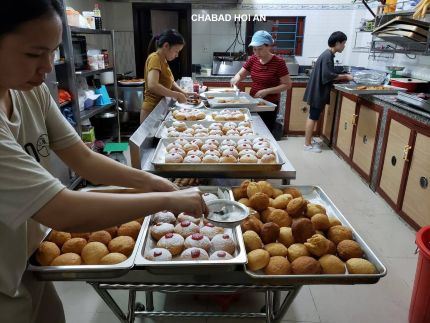
For travelers who require strictly Kosher food, Chabad centers are an important resource. Chabad locations in Hanoi, Sapa, Hoi An, and Ho Chi Minh City serve Jewish travelers and provide Kosher meals and Jewish services.
| LOCATION | DETAILS |
|---|---|
| Chabad Hanoi | Address: 3rd Floor, 98 To Ngoc Van, Tay Ho, Hanoi Contact: Tel: +84 83 872 8225 | Email: info@jewishhanoi.com Role: Main base for northern Vietnam; useful for planning meals before Halong Bay and Ninh Binh trips. |
| Chabad Sapa | Address: 12A Thac Bac, Sapa, Lao Cai Contact: Tel: +84 90 180 2770 | Email: chabadsapa@gmail.com Role: Kosher dining and meal arrangements for travelers exploring the northern mountains. |
| Chabad Hoi An | Address: 570A Cua Dai, Cam Chau, Hoi An Contact: Tel: +84 90 135 6770 | Email: chabadhoian@gmail.com Role: Central Vietnam base for travelers visiting Hoi An and nearby destinations. |
| Chabad of Vietnam – Ho Chi Minh City | Address: 5A Villa Nguyen Dinh Chieu, Da Kao, District 1, Ho Chi Minh City Contact: Tel: +84 28 3910 0181 | WhatsApp: +84 90 310 2770 Role: Kosher dining, takeaway, delivery, and an in-house Kosher Mart with selected imported products. |
Chabad Hanoi – Northern Vietnam:
A useful base for travelers visiting the capital and northern Vietnam. It can also be a convenient place to arrange food before departing for Halong Bay, Ninh Binh, or other destinations where Kosher meals may be harder to find.
Chabad Sapa – Northern Mountain Region:
Located in Sapa, this Chabad center provides a useful base for Jewish travelers exploring the Hoang Lien Son mountains and surrounding villages. Travelers planning longer treks should discuss meal arrangements in advance.
Chabad Hoi An – Central Vietnam:
Convenient for travelers exploring Hoi An and central Vietnam. If your itinerary also includes Da Nang, Hue, or My Son, advance meal planning can make the journey easier.
Chabad of Vietnam – Ho Chi Minh City:
A useful base for Jewish travelers in southern Vietnam, offering dining, takeaway, and delivery services. The in-house Kosher Mart also provides access to selected imported Kosher products and can be useful when preparing for trips into the Mekong Delta or other southern destinations.
2. Eating Outside Chabad: A Practical Approach
Vietnam becomes more challenging for Kosher travelers when an itinerary moves away from the main tourist centers.
Destinations such as Ha Giang, Phong Nha, remote parts of the Mekong Delta, and smaller mountain or coastal areas may not have an established source of Kosher meals.
In these situations, some travelers take a practical approach based on simple vegetarian food and packaged ingredients. However, this should not be confused with certified Kosher dining.
Look for “Ăn Chay”
“Ăn chay” is the Vietnamese term commonly used for vegetarian food. Many vegetarian restaurants have Buddhist roots and serve dishes based on vegetables, tofu, mushrooms, rice, and noodles.
However, vegetarian does not automatically mean Kosher.
A vegetarian restaurant may still use fish sauce, oyster sauce, animal fat, shared cooking equipment, or other ingredients that do not meet your dietary requirements.
Watch Out for Hidden Ingredients
One of the biggest challenges is nước mắm, or Vietnamese fish sauce.
Fish sauce is commonly used as a seasoning, dipping sauce, or ingredient in Vietnamese cooking. Oyster sauce and other seafood-based seasonings may also be used.
If you need to avoid these ingredients, explain your requirements clearly to the restaurant staff.
You can show them this Vietnamese sentence:
“Tôi ăn chay tuyệt đối. Xin không dùng nước mắm, không dùng dầu hào, không dùng mỡ động vật. Cảm ơn!”
Pronunciation: Toy an chai twet doy. Sin khong dzoong nook mum, khong dzoong zow how, khong dzoong mo dong vat. Come on!
Translation: I do not eat meat, fish sauce, oyster sauce, or animal fat. Thank you!
Note: Communicating basic dietary restrictions can help avoid certain ingredients, but it does not make food prepared in a non-Kosher kitchen strictly Kosher. Travelers who strictly observe Kashrut should follow their own dietary standards and guidance from their Chabad center.
3. Simple Foods for Remote Travel
If you are traveling to an area where prepared Kosher food is unavailable, carrying suitable food and choosing simple ingredients can make the journey easier.
- Fresh Fruit: Vietnam has an abundance of tropical fruits, including bananas, mangoes, dragon fruit, papaya, and watermelon. Whole fruit that can be washed, peeled, or prepared according to your own requirements can be a practical option.
- Simple Staples: Plain steamed white rice (com trang) and simply prepared vegetables may be available in many parts of Vietnam. However, always ask about sauces, stock, seasoning, and cooking methods.
- Packaged Food: Larger supermarkets may carry imported snacks, nuts, dry foods, and other packaged products. Always check the packaging for a recognized Kosher certification such as OU, OK, or Star-K rather than assuming a product is Kosher because it is vegetarian or imported.
4. Kosher Travel by Destination
Hanoi
Hanoi is one of the easier places in northern Vietnam for Jewish travelers to arrange Kosher meals because of the local Chabad center.
It is also a useful place to organize food supplies before heading into more remote northern provinces.
Halong Bay
Halong Bay cruises normally include meals served onboard. If you require Kosher food, make arrangements before the cruise rather than waiting until you arrive at the port.
Discuss your meal requirements with your travel planner and Chabad in advance.
Ninh Binh
Ninh Binh is an easy excursion from Hanoi, but Kosher dining options are more limited than in the capital.
For a day trip, carrying a suitable packed meal can be a practical solution.
Sapa
Sapa is an increasingly convenient destination for Jewish travelers because of the Chabad presence in the town.
If you plan to trek or visit remote villages outside Sapa, arrange your food requirements before leaving the town.
Ha Giang
Ha Giang offers some of northern Vietnam's most impressive mountain scenery, but food planning becomes particularly important here.
Travelers who strictly observe Kosher should bring suitable food or arrange meals before starting a multi-day journey.
Hoi An and Da Nang
Hoi An provides a useful base for Jewish travelers because of its Chabad center. Travelers staying in Da Nang can also coordinate meals and visits around Hoi An.
If your itinerary includes Hue or My Son, discuss meal arrangements before leaving Hoi An.
Ho Chi Minh City
Ho Chi Minh City offers a wider range of shopping and dining choices than many other destinations in southern Vietnam, together with Chabad of Vietnam and its Kosher food services.
It can also be a useful place to prepare for trips into the Mekong Delta.
Mekong Delta
The Mekong Delta is best approached with advance planning. Many excursions involve small towns, boats, and rural areas where Kosher meals may not be readily available.
For a day trip, bringing a packed meal or suitable packaged food can be the simplest option.
5. What to Pack for a Kosher Trip to Vietnam
For journeys involving overnight trains, long transfers, cruises, or remote villages, consider packing:
- Kosher-certified snacks and energy bars
- Packaged dry foods and crackers
- Kosher-certified canned or packaged foods
- Instant coffee or tea bags
- Disposable cutlery
- Lightweight food containers
- A compact travel kettle, where appropriate
A small supply of familiar Kosher-certified food can be particularly useful when traveling through rural areas or when unexpected transport delays occur.
6. Planning Shabbat in Vietnam
Shabbat requires more planning than an ordinary travel day, particularly if you are moving between cities.
Stay Near Chabad
When spending Shabbat in Hanoi, Sapa, Hoi An, or Ho Chi Minh City, staying within convenient walking distance of the local Chabad House can make the experience easier.
When choosing accommodation, consider its location as well as the hotel's facilities.
Arrange Meals Early
Do not wait until Friday to arrange Shabbat meals.
Contact the relevant Chabad center well before your trip and confirm:
- Shabbat dinner
- Shabbat lunch
- Prayer services
- Booking requirements
- Meal availability
- Holiday-specific arrangements
Consider Hotel Logistics
Modern hotels often use electronic key cards, automatic doors, motion sensors, and other systems that may be relevant to Shabbat observance.
If these matters are important to you, discuss them with the hotel before Shabbat begins and seek guidance from your own religious authority where necessary.
7. Practical Tips for Jewish Travelers
Inform Your Tour Operator Early
When booking a private or tailor-made trip, mention your Kosher requirements at the initial inquiry.
This allows your travel planner to build the itinerary around available meal options and Chabad locations.
Plan Routes Around Food Supplies
A long Vietnam itinerary may cover several regions where access to Kosher food varies considerably.
When planning the route, consider both the destinations you want to visit and where you can arrange suitable meals.
Carry Backup Food
Even when meals have been arranged, carrying a few Kosher-certified snacks is a sensible backup for long transfers, delays, or unexpected itinerary changes.
Check Information Before You Travel
Chabad opening hours, meal availability, and holiday arrangements can change.
Always confirm current information directly with the relevant Chabad center before your trip.
8. Planning a Kosher-Friendly Vietnam Tour
A Kosher trip to Vietnam does not mean limiting your travel to the major cities.
With advance planning, Jewish travelers can experience Vietnam's mountain ranges, heritage sites, coastal resorts, cruises, and cultural destinations while keeping their dietary requirements in mind.
At WaytoVietnam Travel, we can help coordinate a private itinerary around your dietary requirements, including the route, accommodation, transportation, sightseeing, meal planning, and contact with Chabad centers where appropriate.
Whether you are planning a short Hanoi and Halong Bay trip, a journey through Sapa and northern Vietnam, or a tailor-made itinerary from north to south, tell us your preferred destinations and dietary requirements when making your inquiry.
We will help you build a Vietnam journey that fits the way you travel.
Created by WaytoVietnam Travel Specialist | September 2026
Frequently Asked Questions
Vietnam Travel Guides
Recommended Tours


Related articles


Recommended Tours